
• Skip to primary navigation
  • Skip to main content
  • Skip to primary sidebar
  • Home
  • About
  • Recipes
  • Contact
  • Favorites

Linen & Gray

menu icon
go to homepage
  • Home
  • About
  • Recipes
  • Contact
  • Favorites
search icon
Homepage link
  • Home
  • About
  • Recipes
  • Contact
  • Favorites
×
Home

The Blog

Lemon Curd Linzer Cookies

July 3, 2022

This post contains affiliate links. If you clink on the links and make a purchase, I receive a small commission at no extra cost to you. Thank you so much for your support, as it allows me to keep creating blog posts like this one.

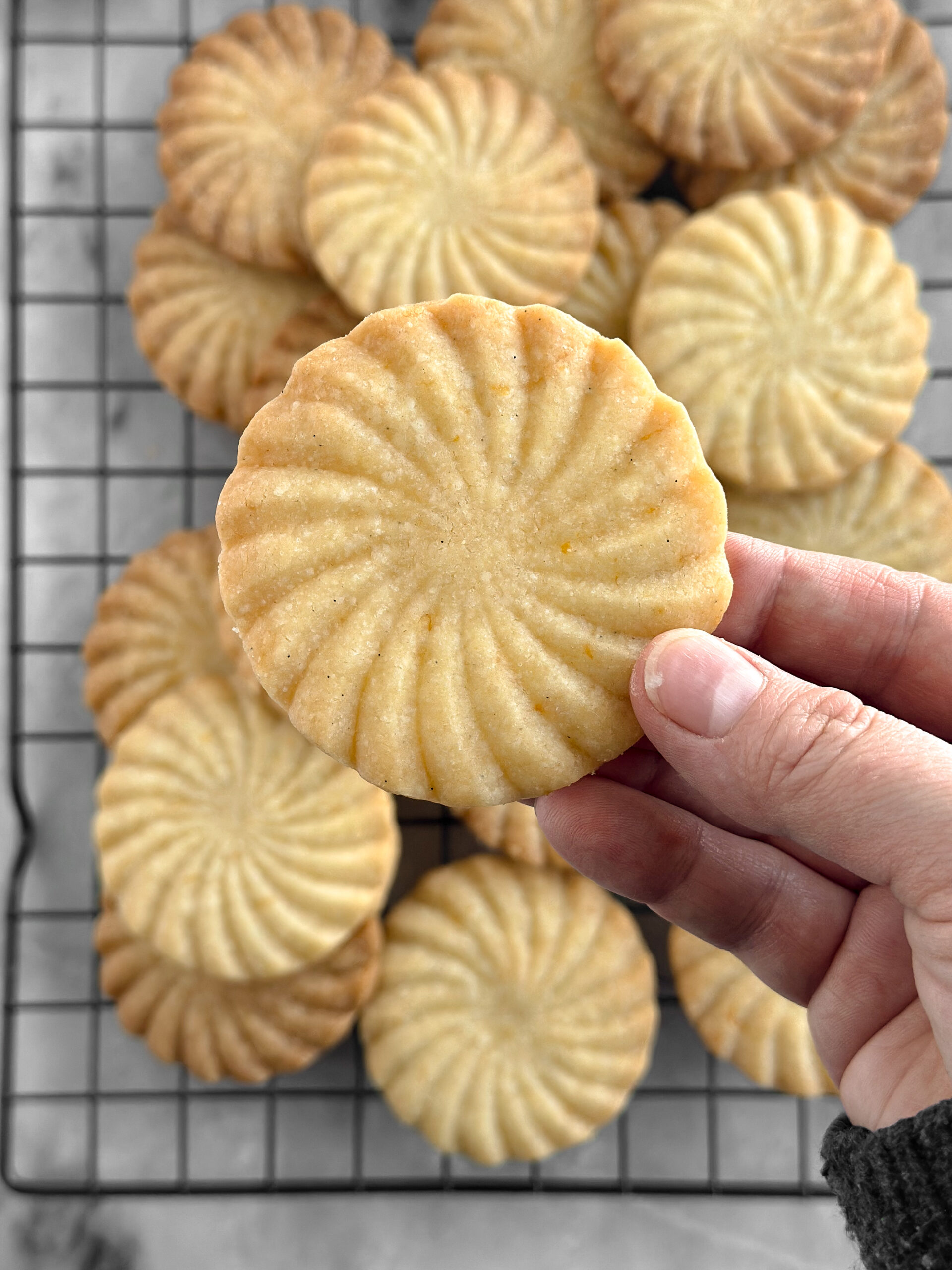
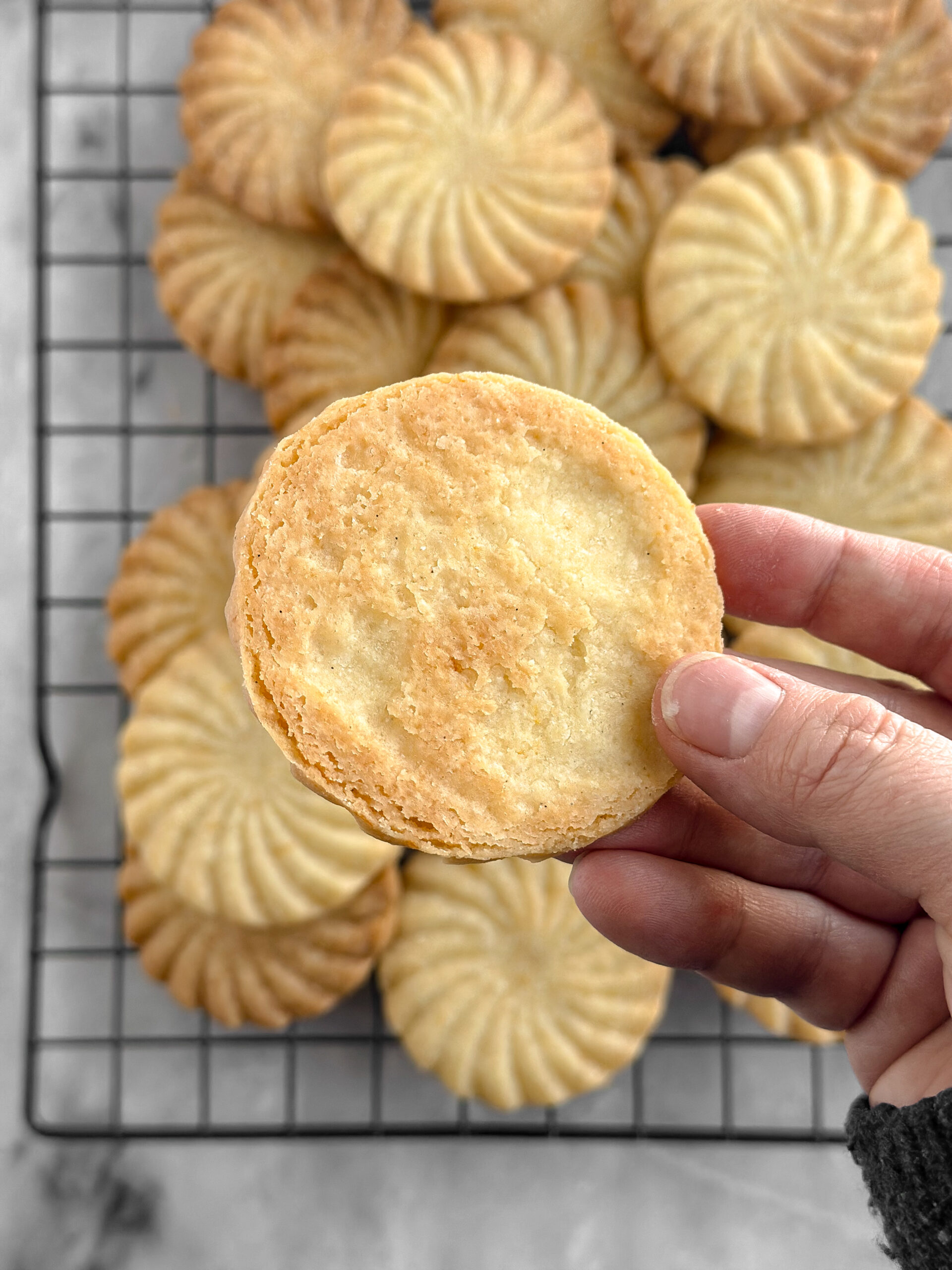
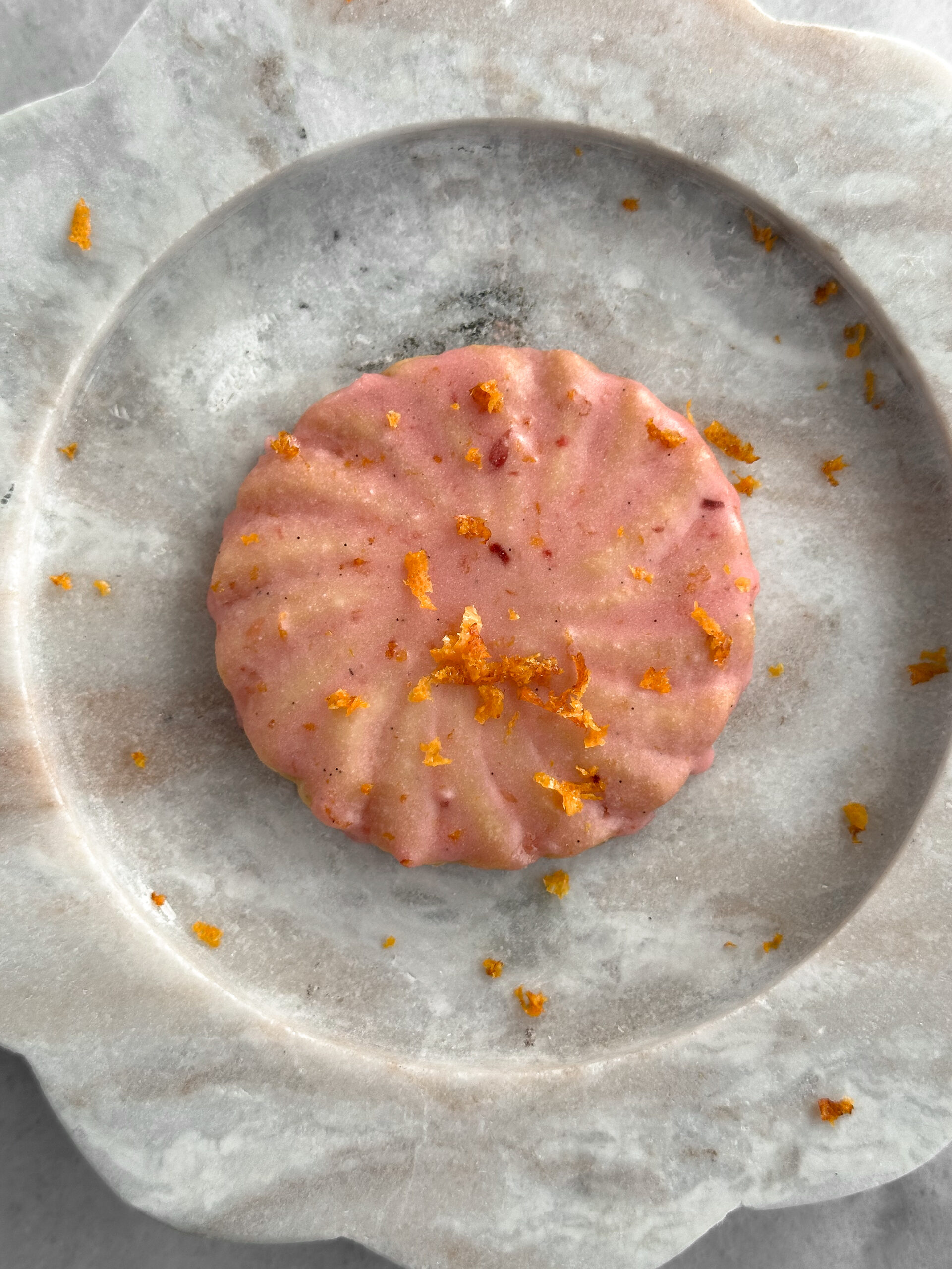
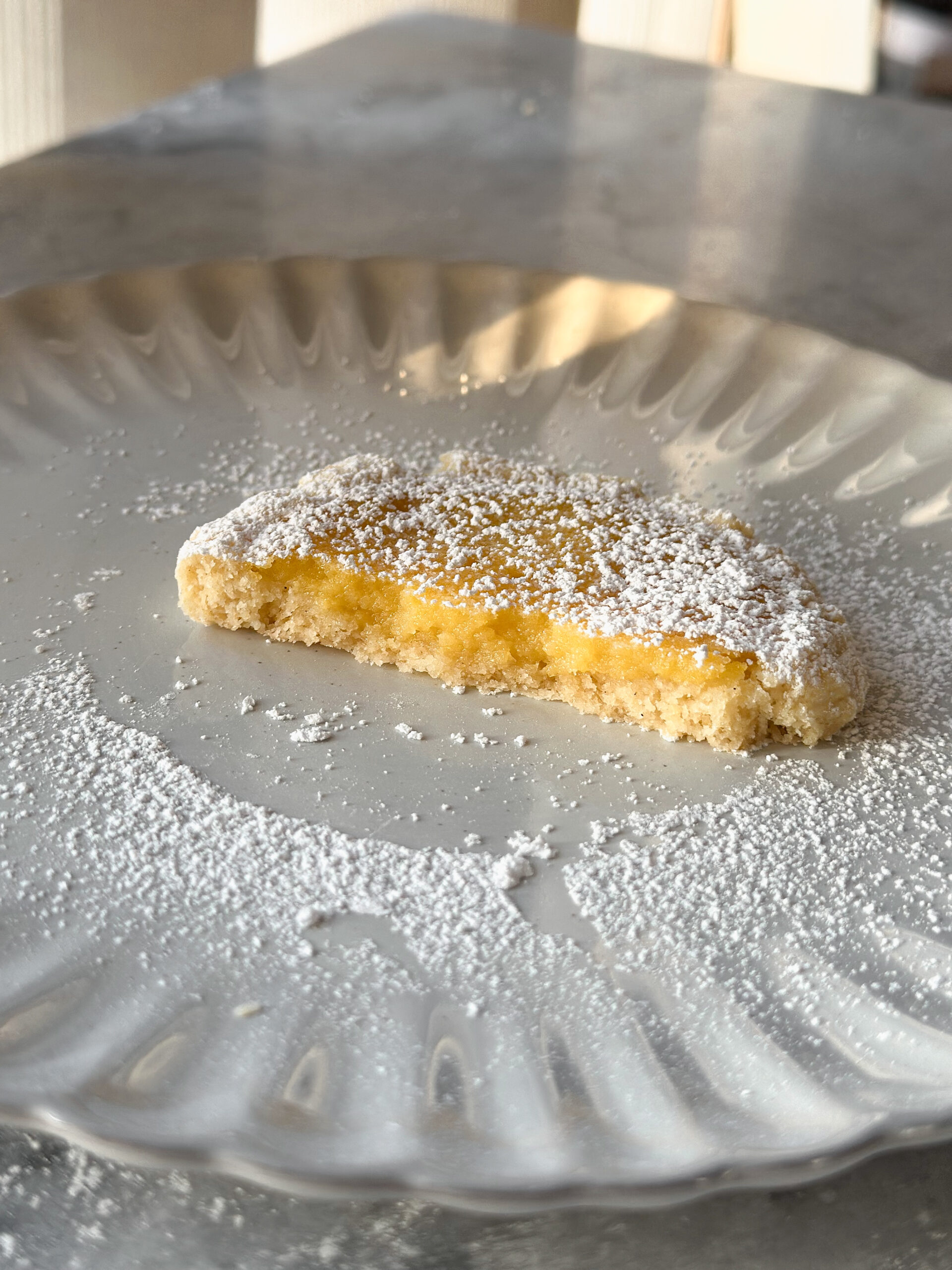
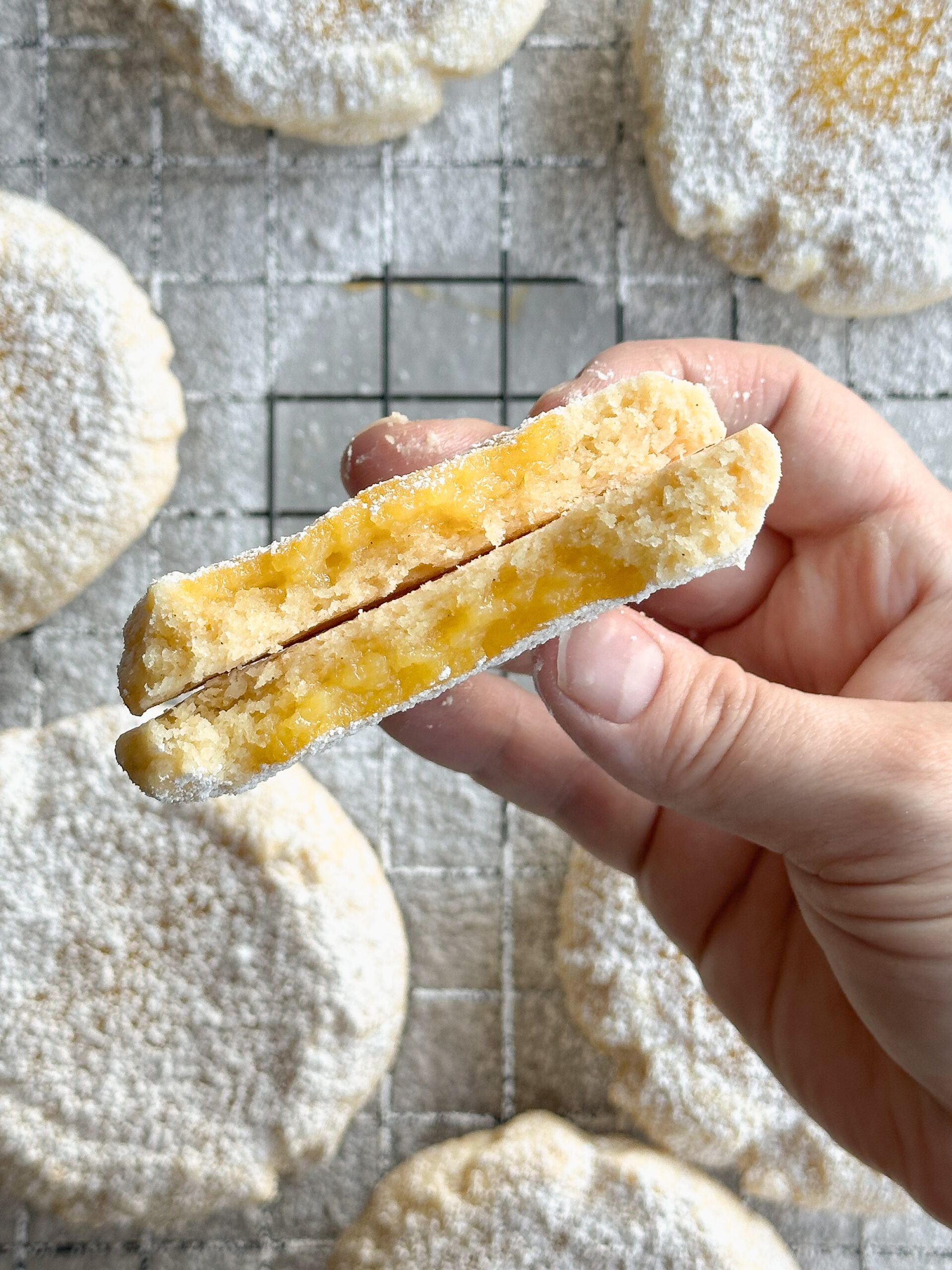
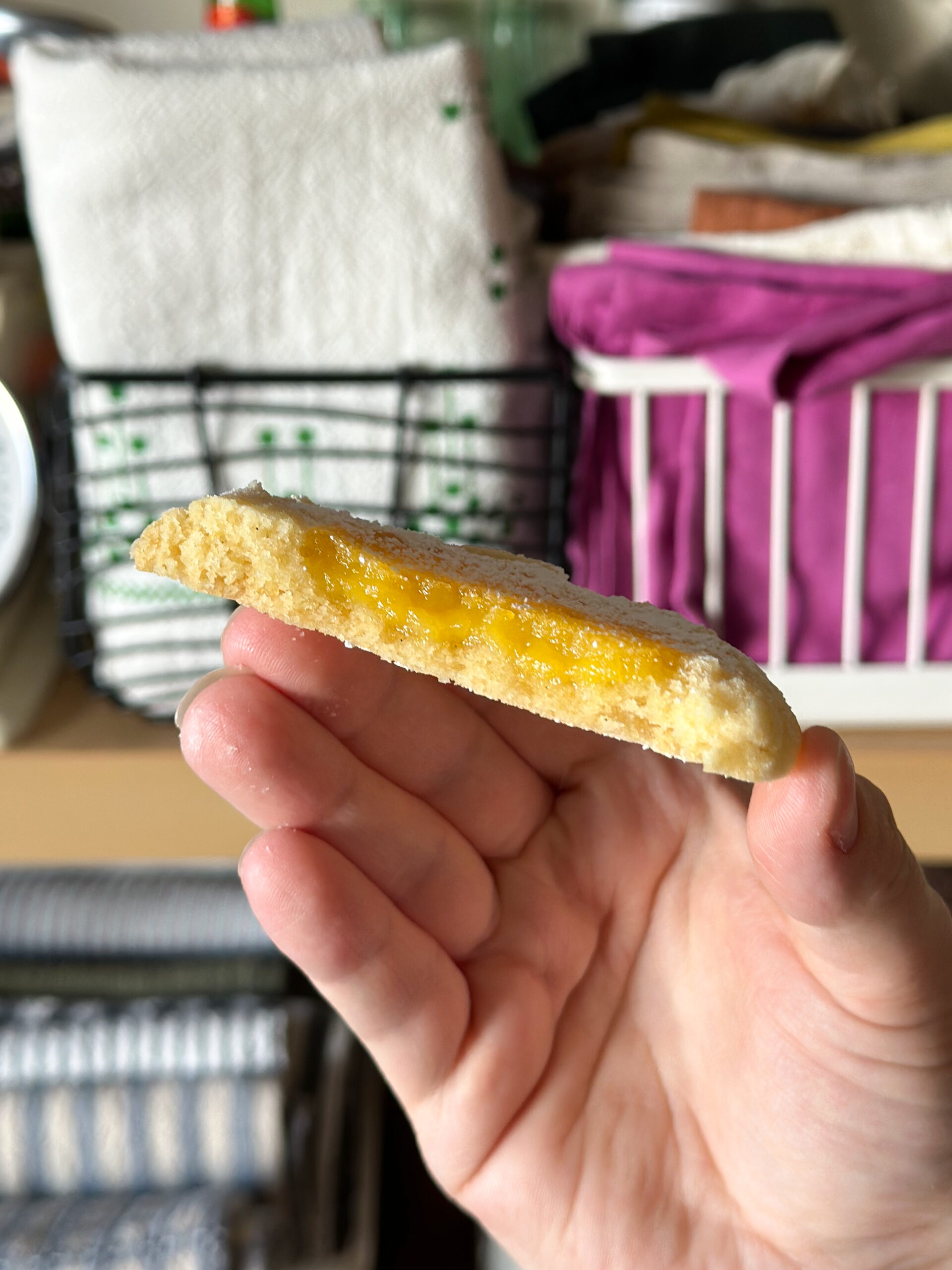
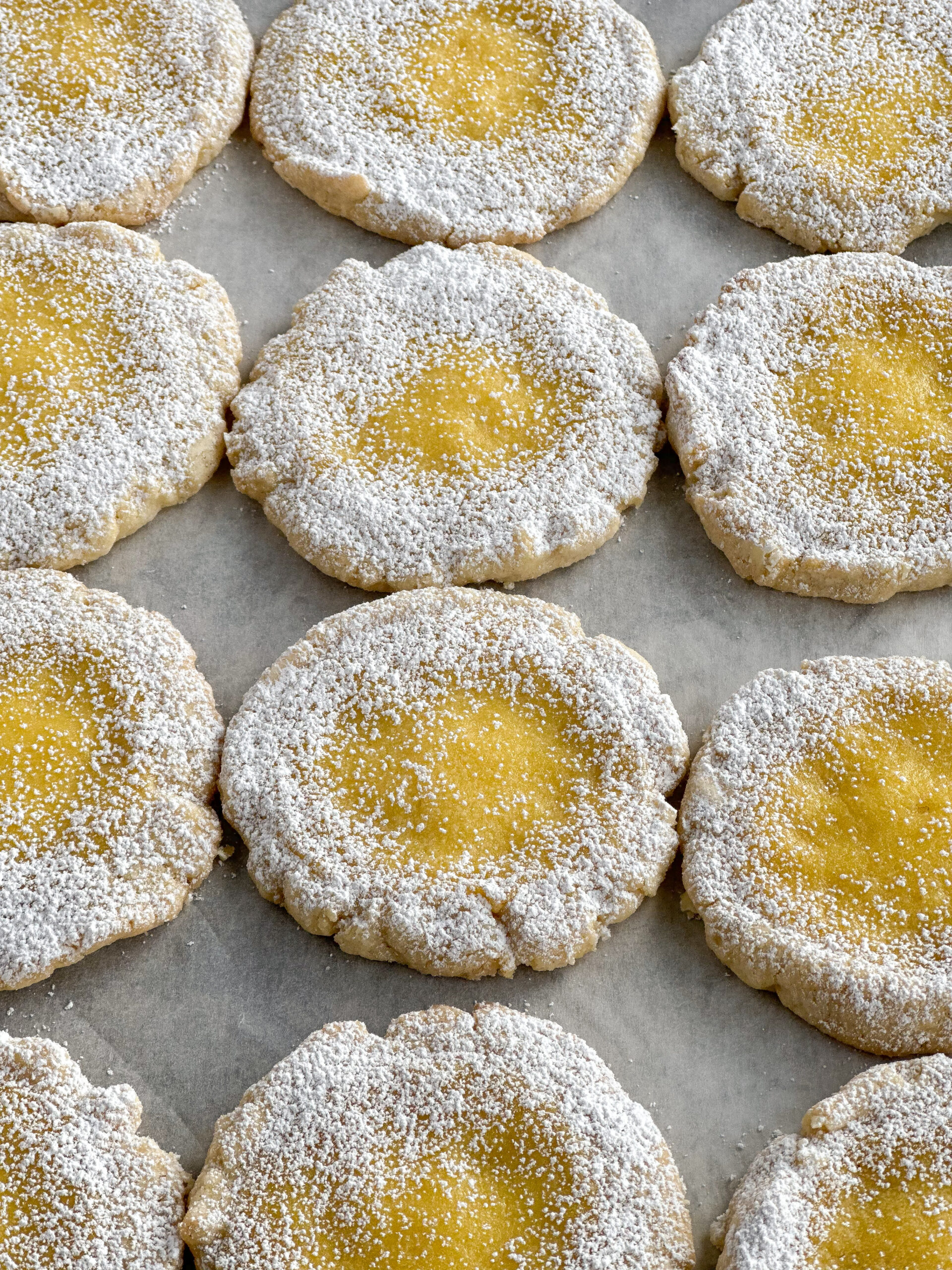
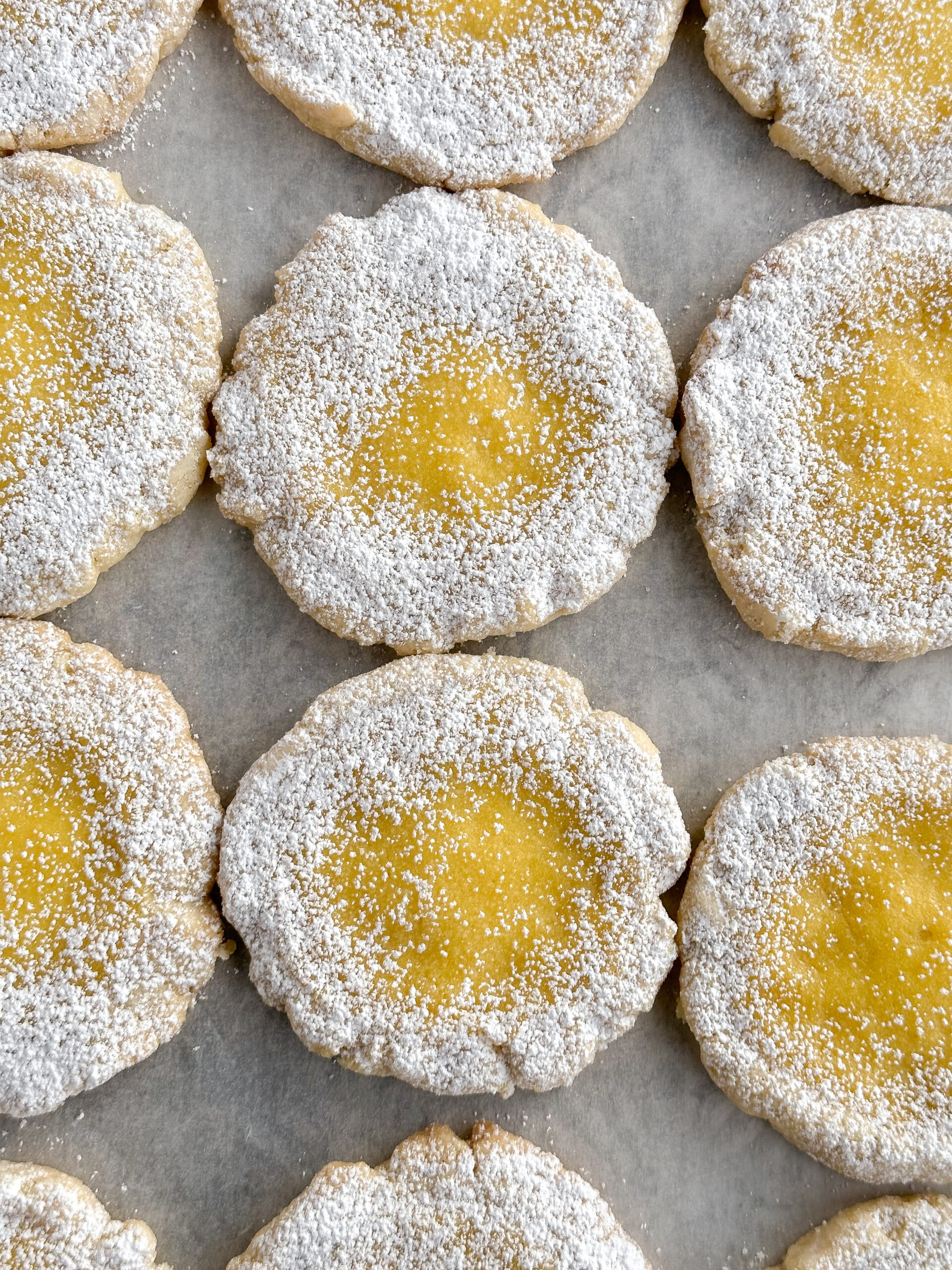
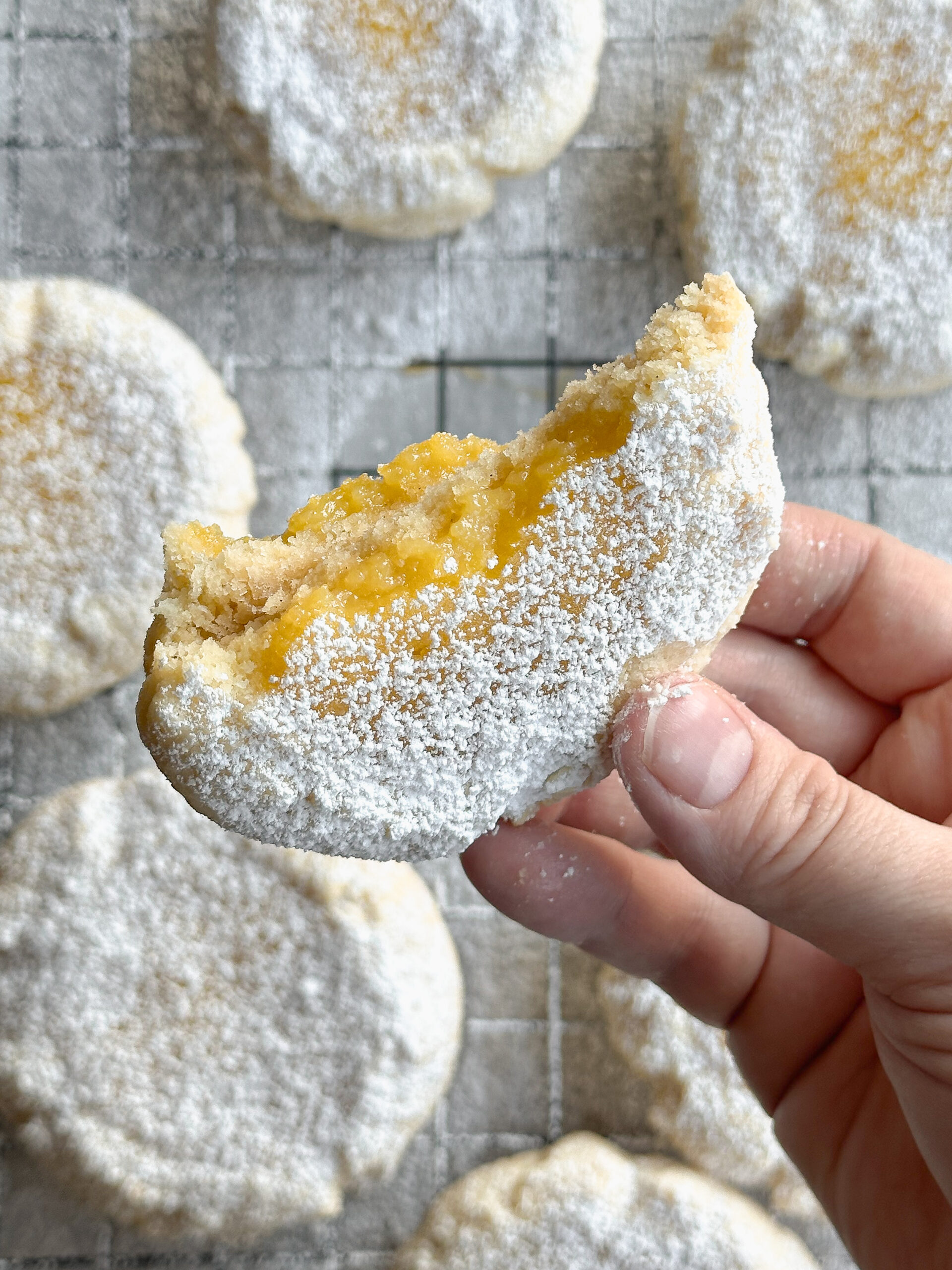
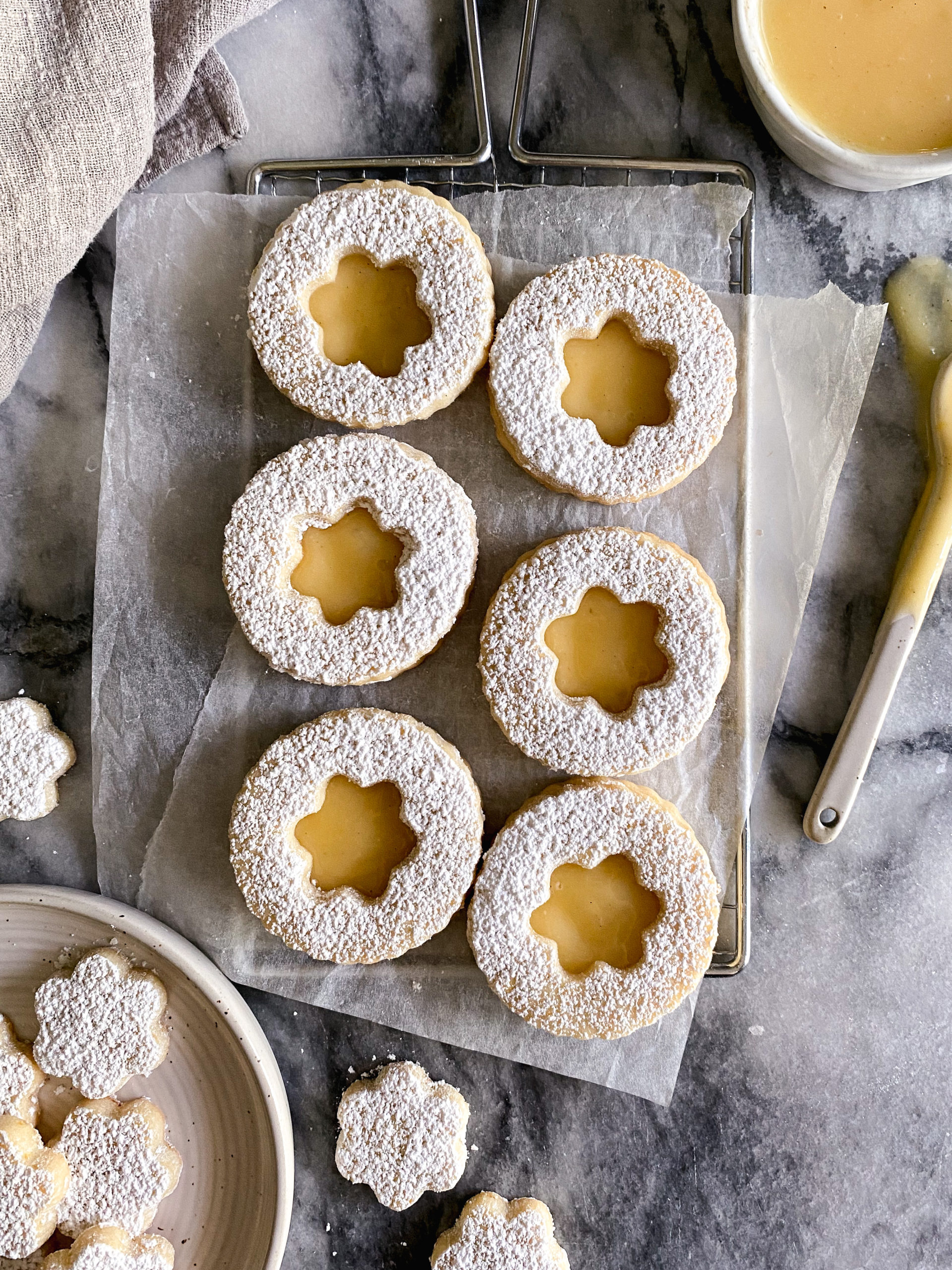
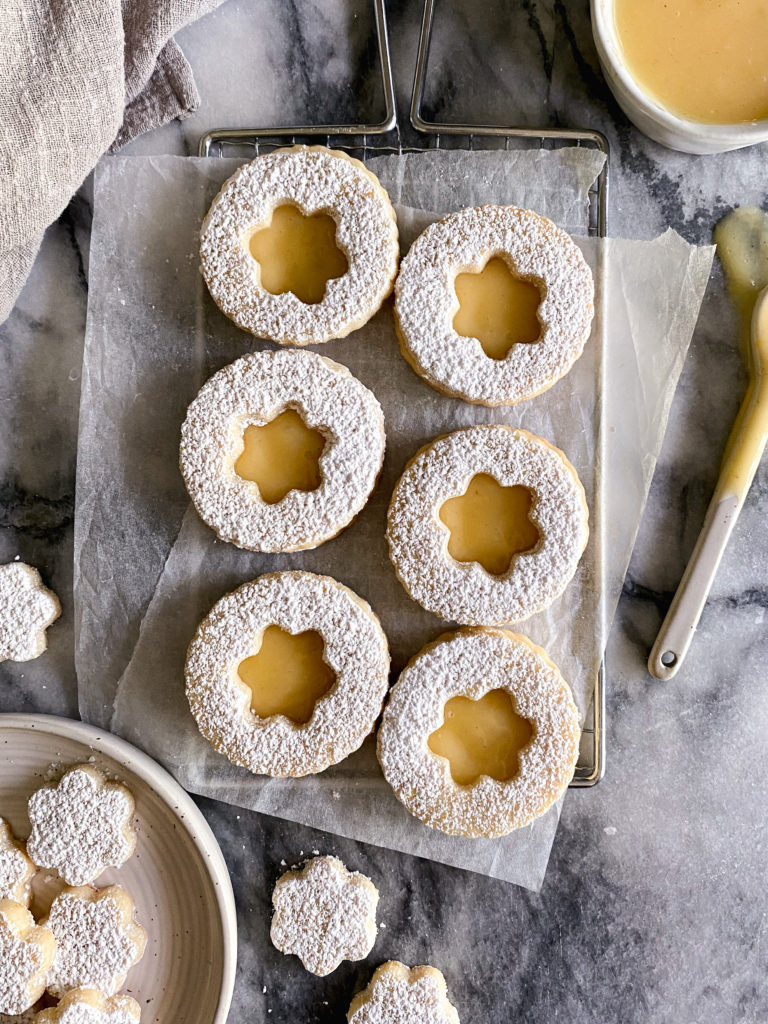
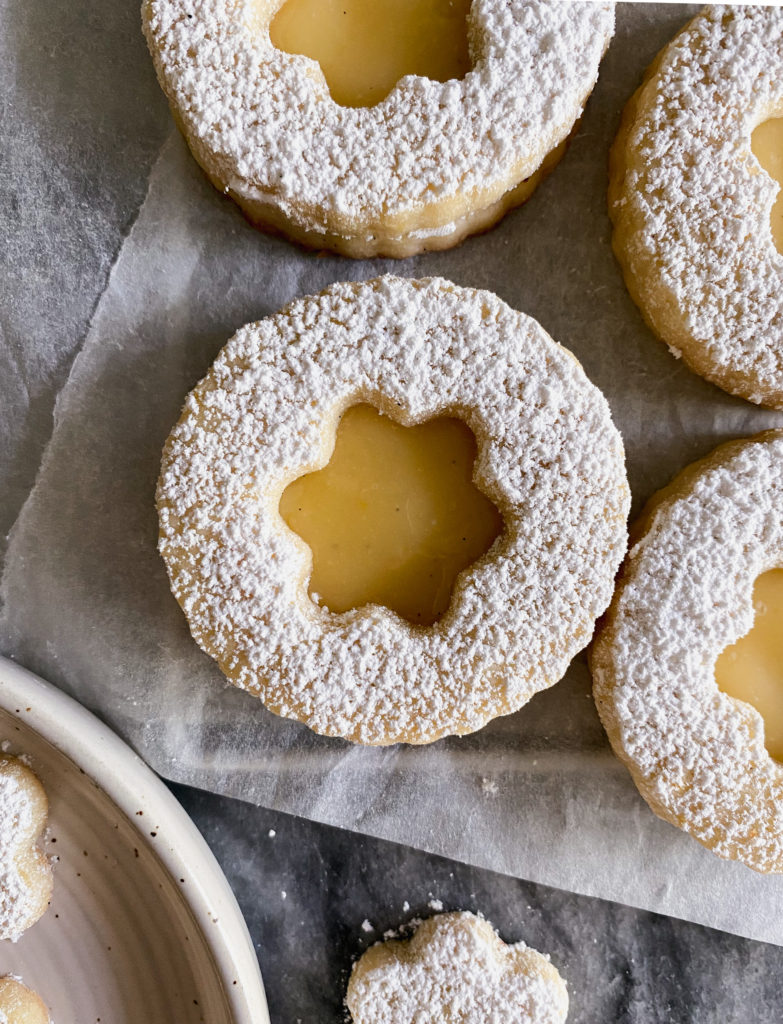
It’s hard to beat the combination of tart, zesty lemon and sweet, buttery cookie. Turning these cookie sandwiches into linzer cookies with a simple cut of dough and a dusting of powdered sugar is all it takes to make two simple things one beautiful thing.

How To Make Lemon Curd Linzer Cookies

Make the Sugar Cookie Dough

I used my Vanilla Bean Base Ratio #1 recipe for these cookies. It can be found here.

Preheat oven to 400 Farenheit.

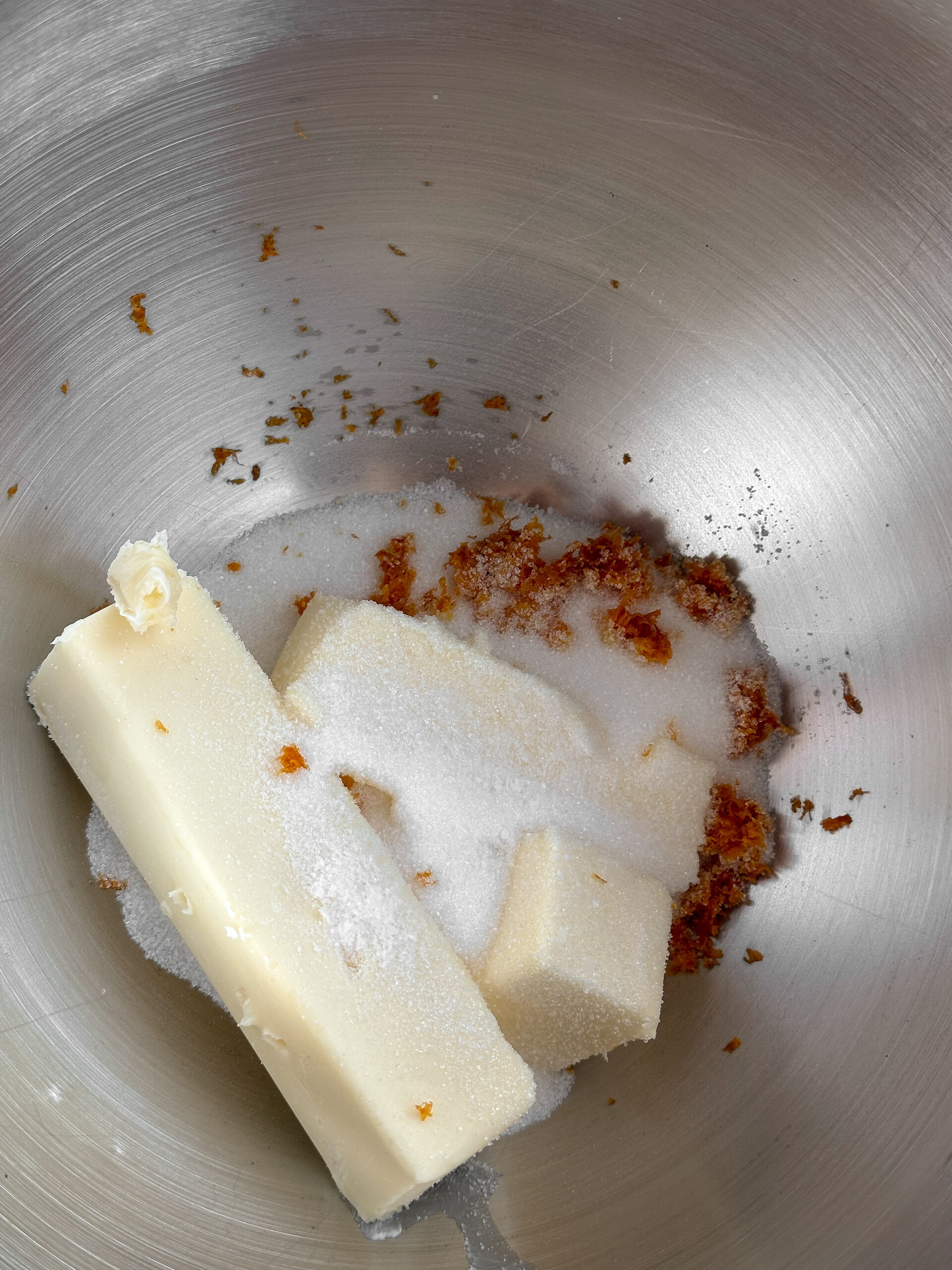
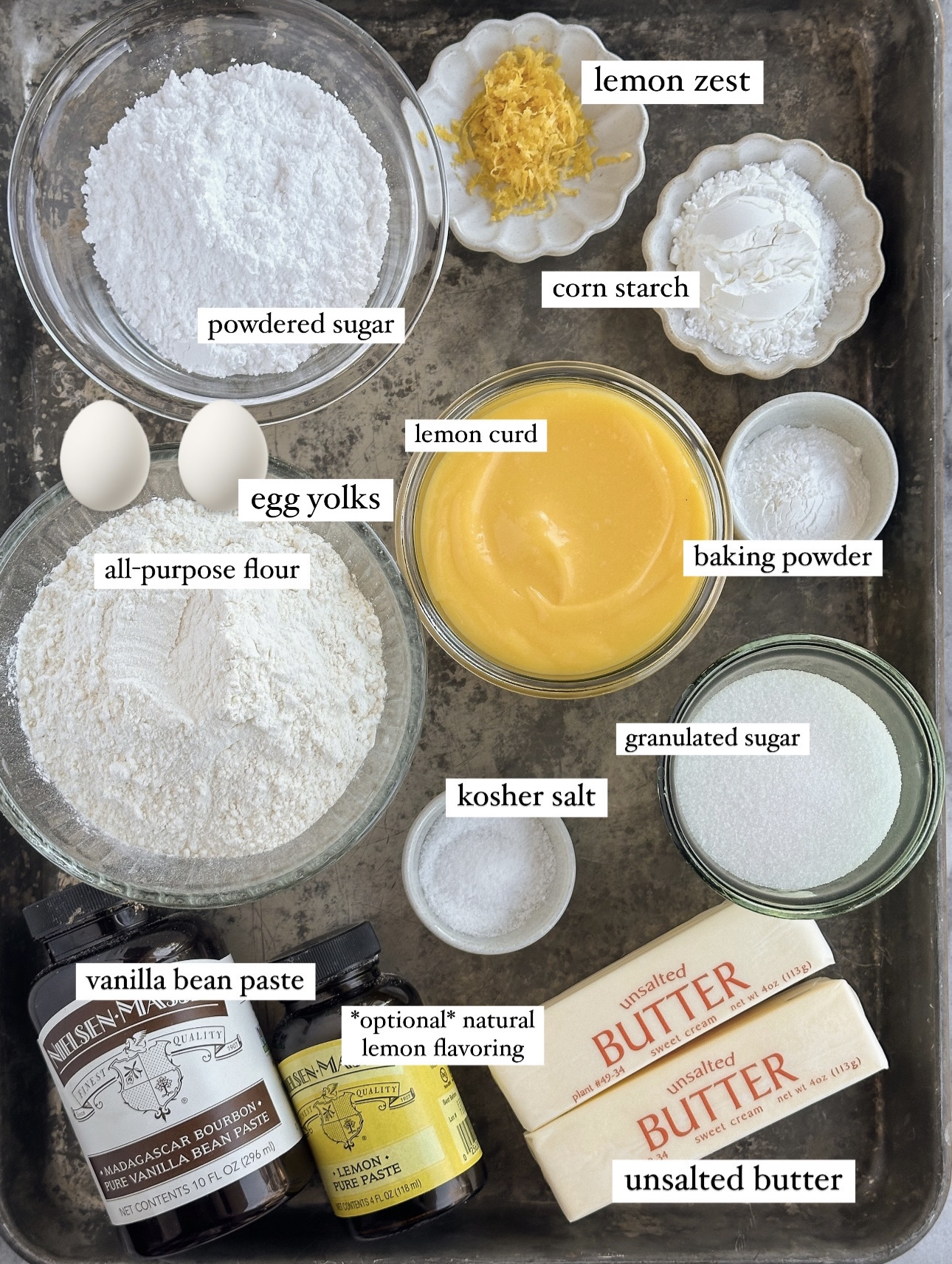
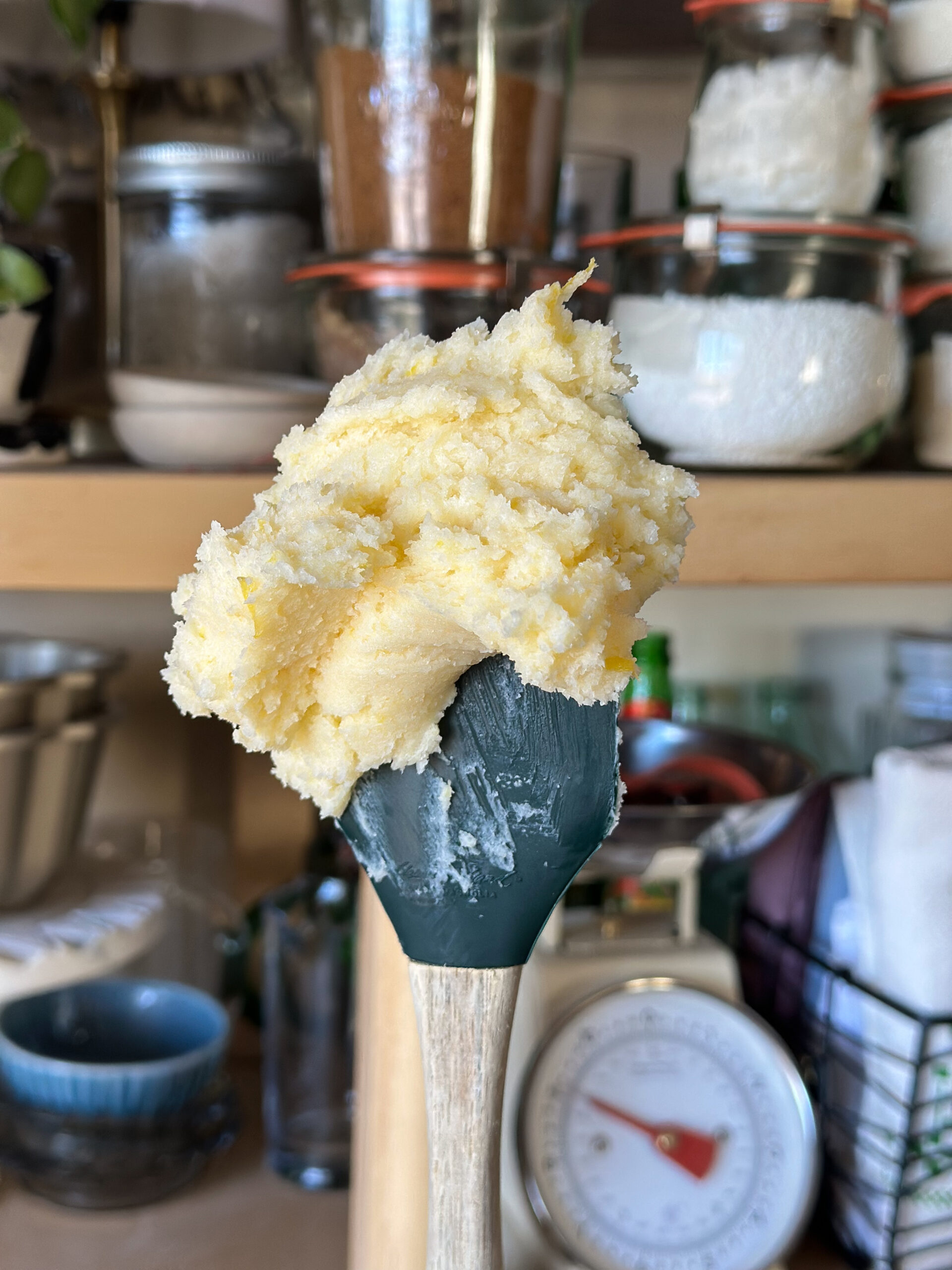
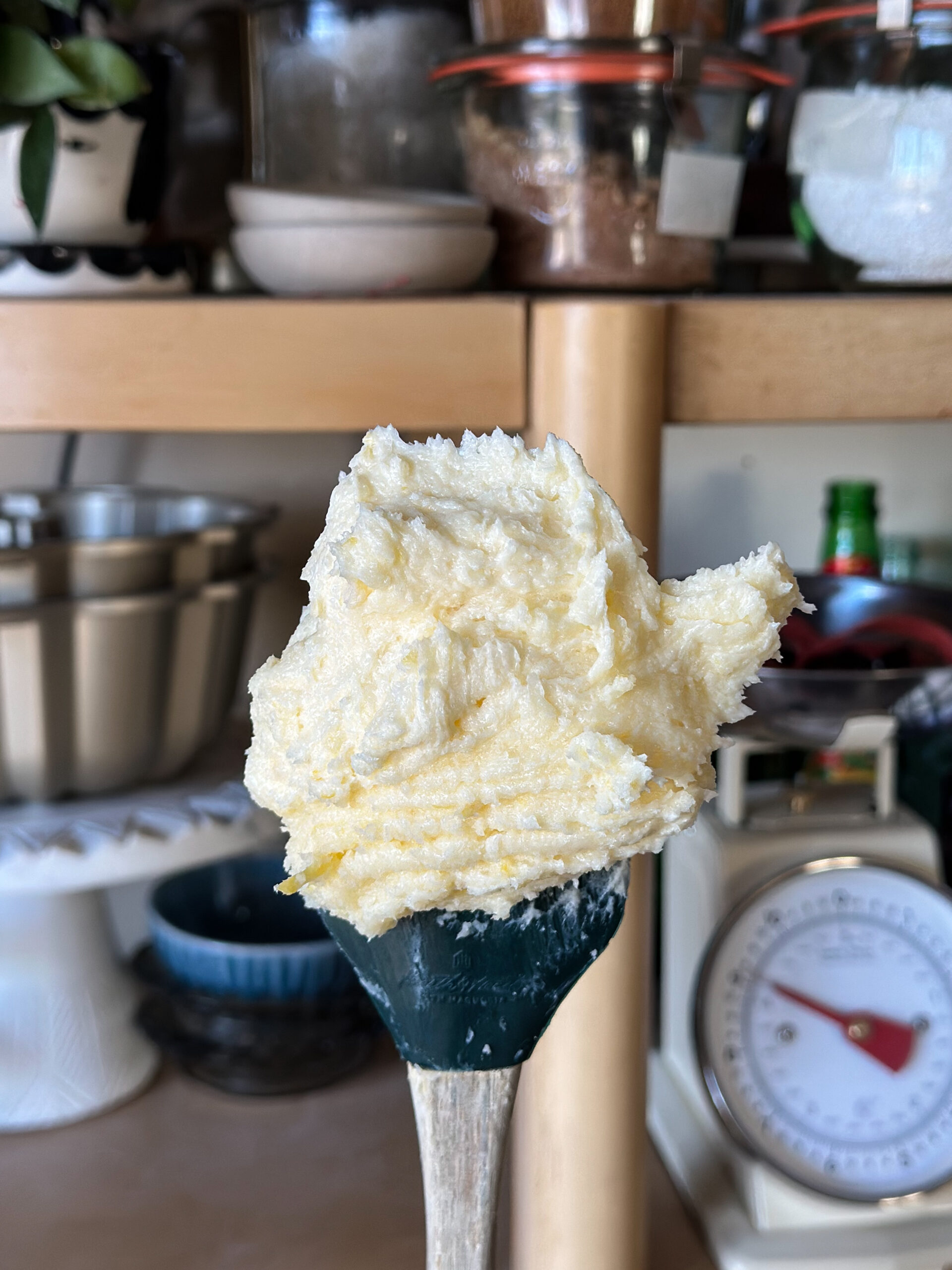
Cream butter, sugar, kosher salt, and lemon zest in the bowl of a stand mixer until combined. Scrape down the sides and bottom of the bowl before adding the eggs and vanilla bean paste. Mix until well combined and the mixture is homogenized. Scrape down the sides and bottom of the brown once again.

In a separate bowl, weigh the flour and whisk in the baking powder. Add the dry ingredients to the bowl of the stand mixer and mix on low until combined. Scrape down the sides and make sure there is no flour gathering at the base of the bowl.

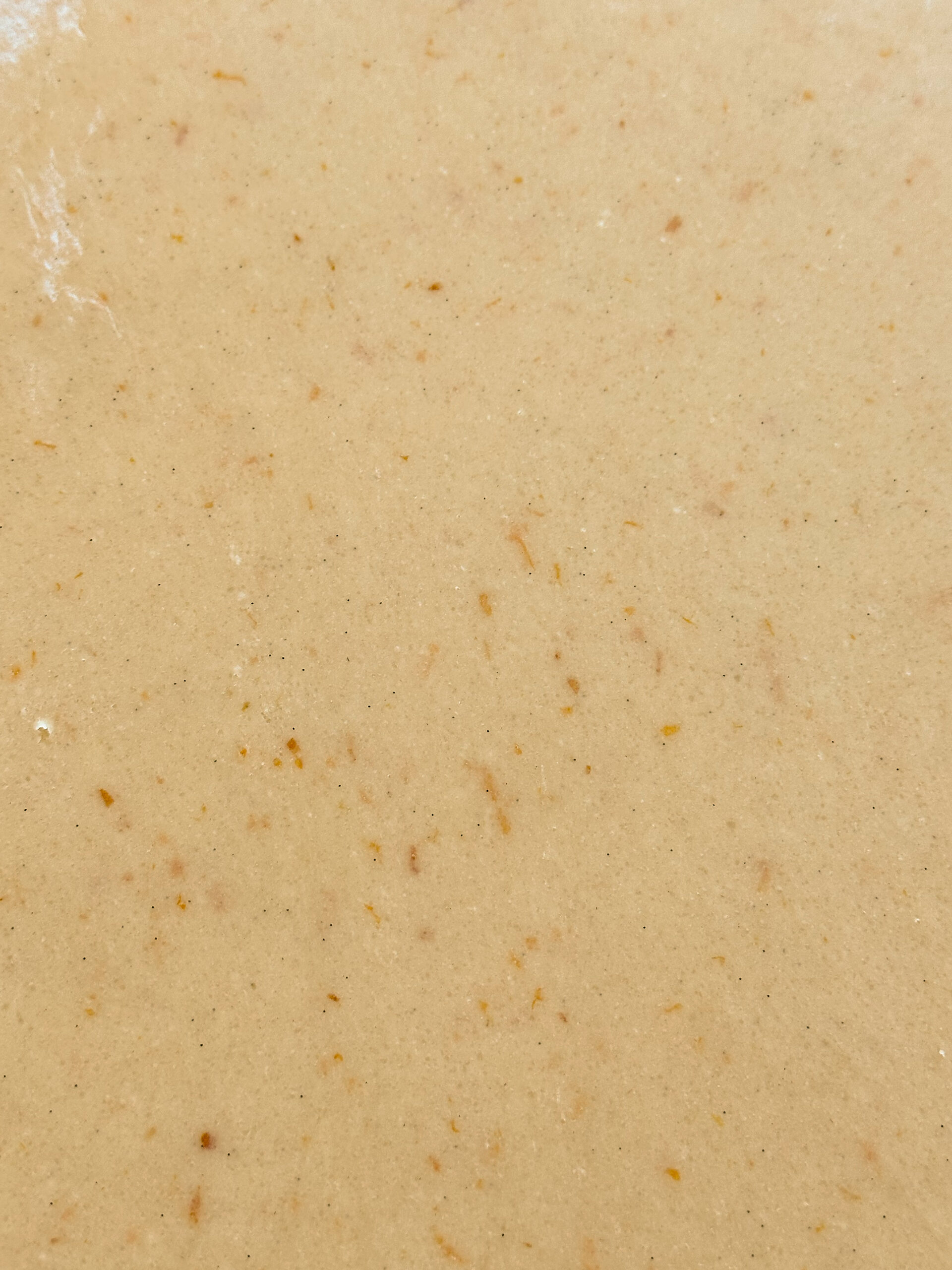
Roll the dough to ¼″ between two sheets of parchment, and refrigerate for 30 minutes to an hour.

Cut the Cookies

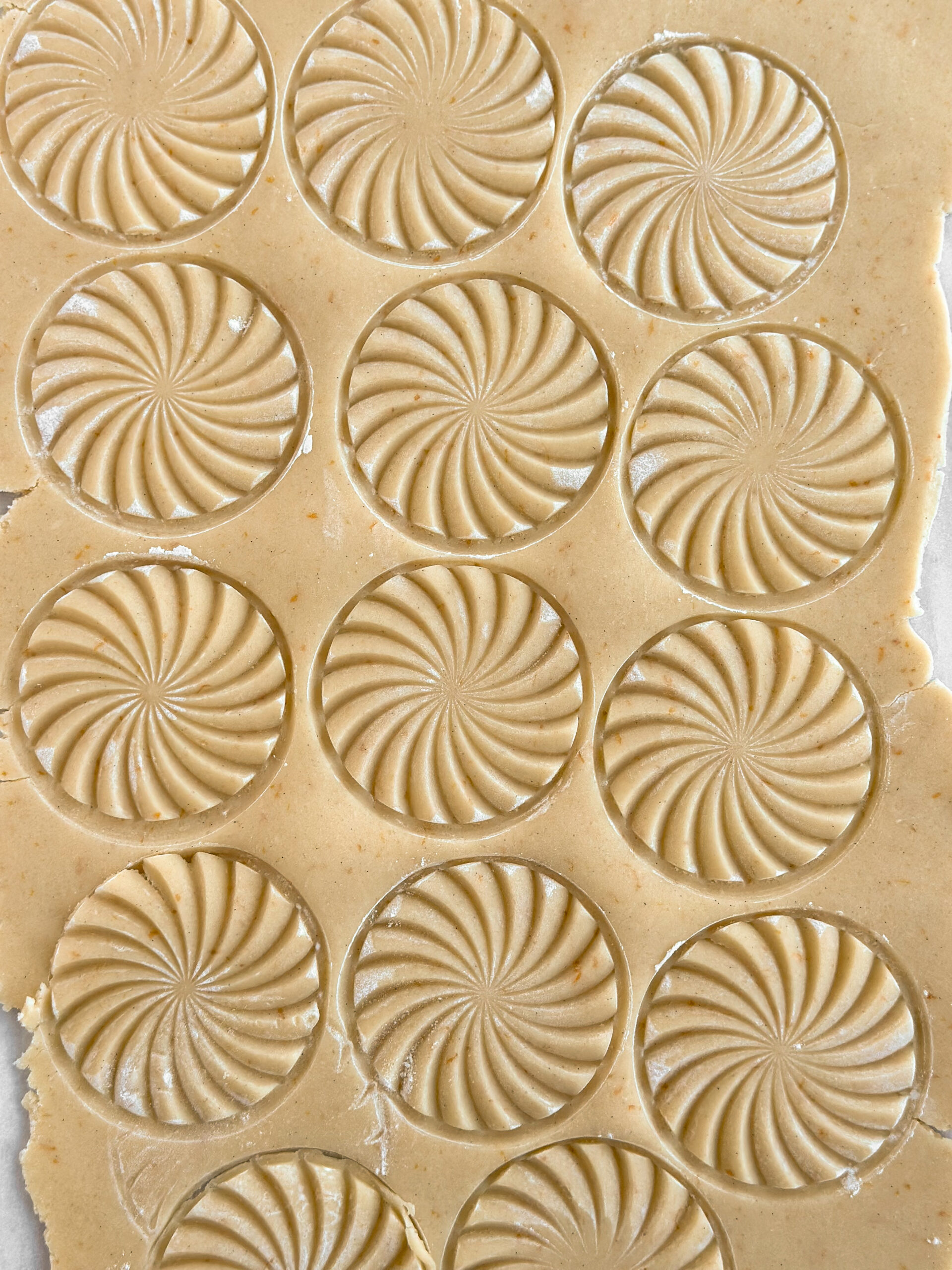
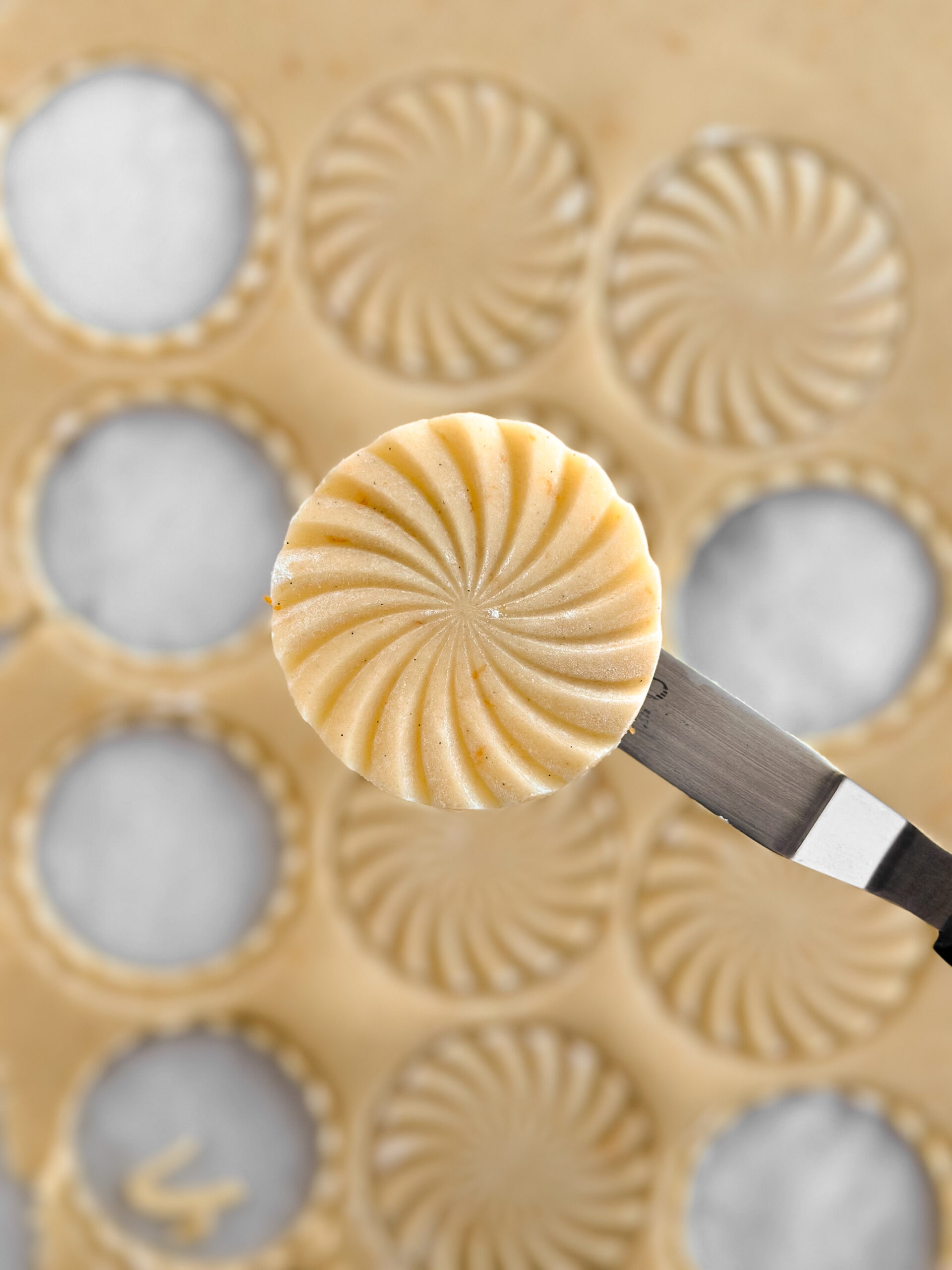
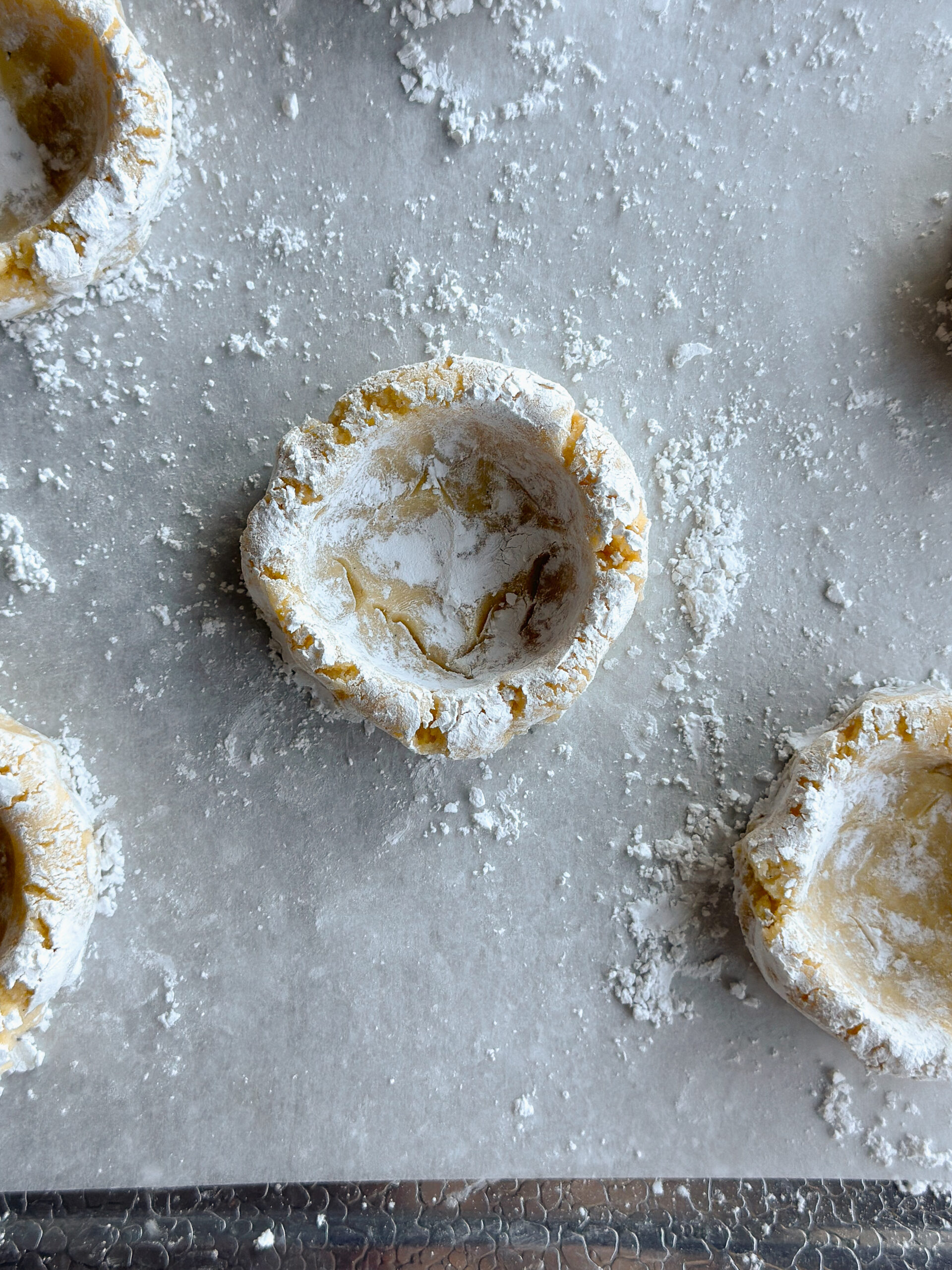
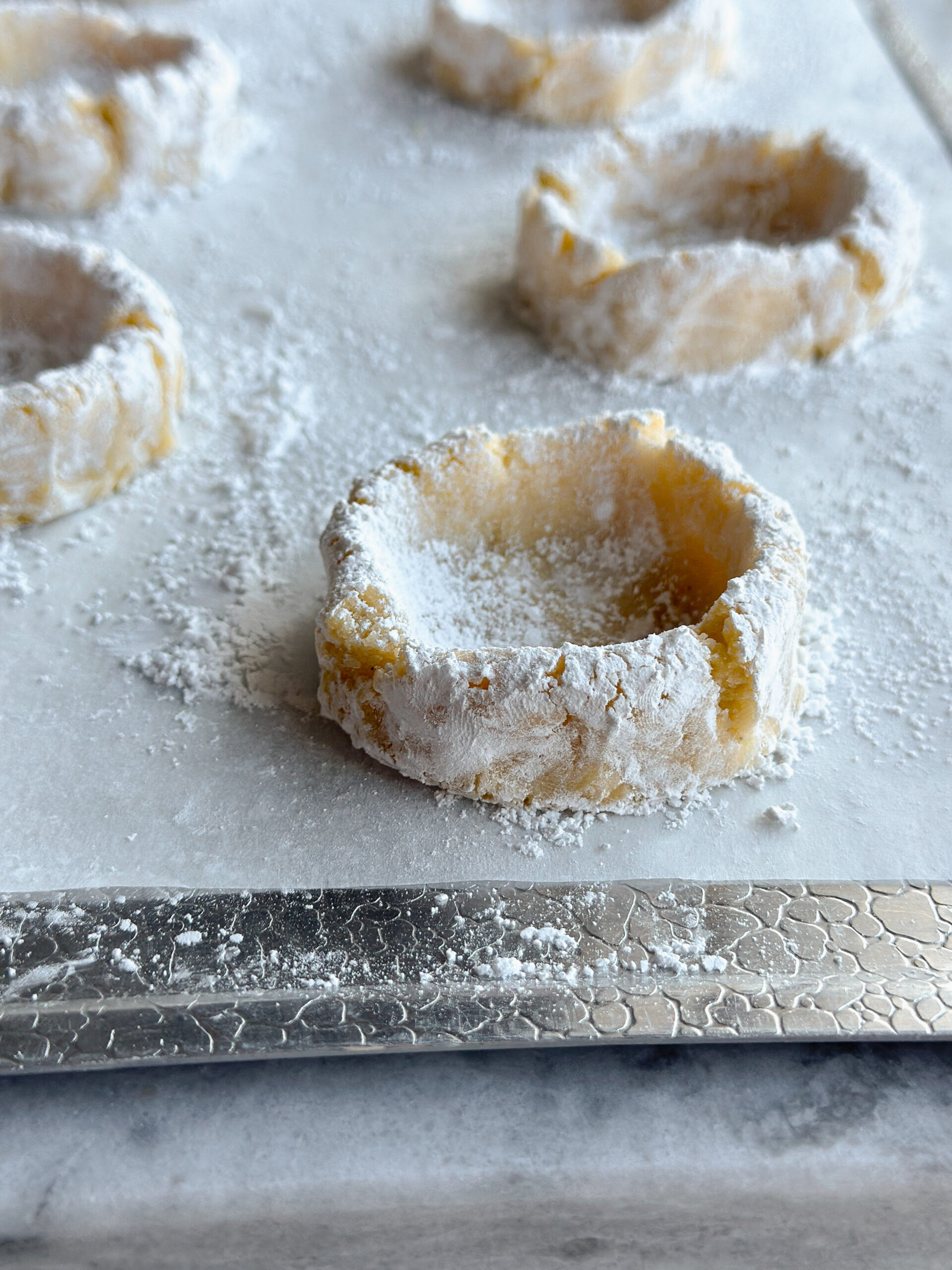
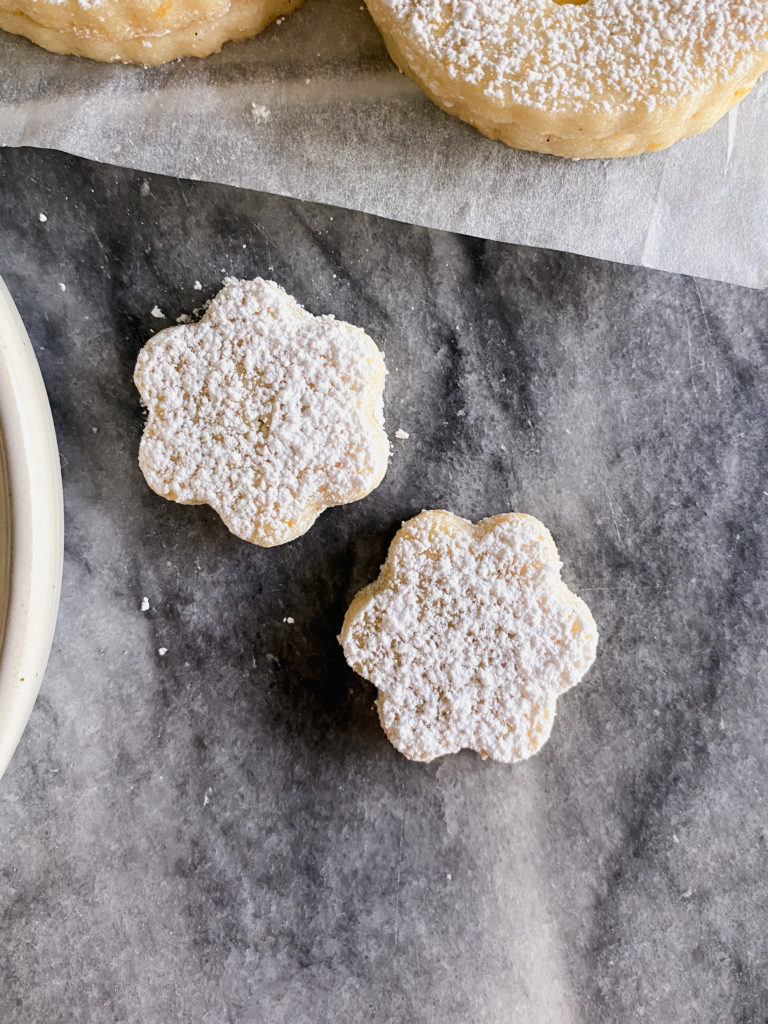
Using a 2 ¼″ round circle cutter, cut the dough into about 48 circles. Place cut cookies on a parchment lined baking sheet at least an inch apart. Using a small cutter, cut out the center of half of the cookies.

Freeze cookies for five minutes before baking. This is optional, but it helps prevent spreading in the oven.

Bake the cookies for 8-10 minutes, or until slightly golden.

Let the cookies cool on the pan for about ten minutes before transferring them to a wire rack to cool completely.

Make the Lemon Curd

This recipe is based on Dorie Greenspan’s citrus curd.

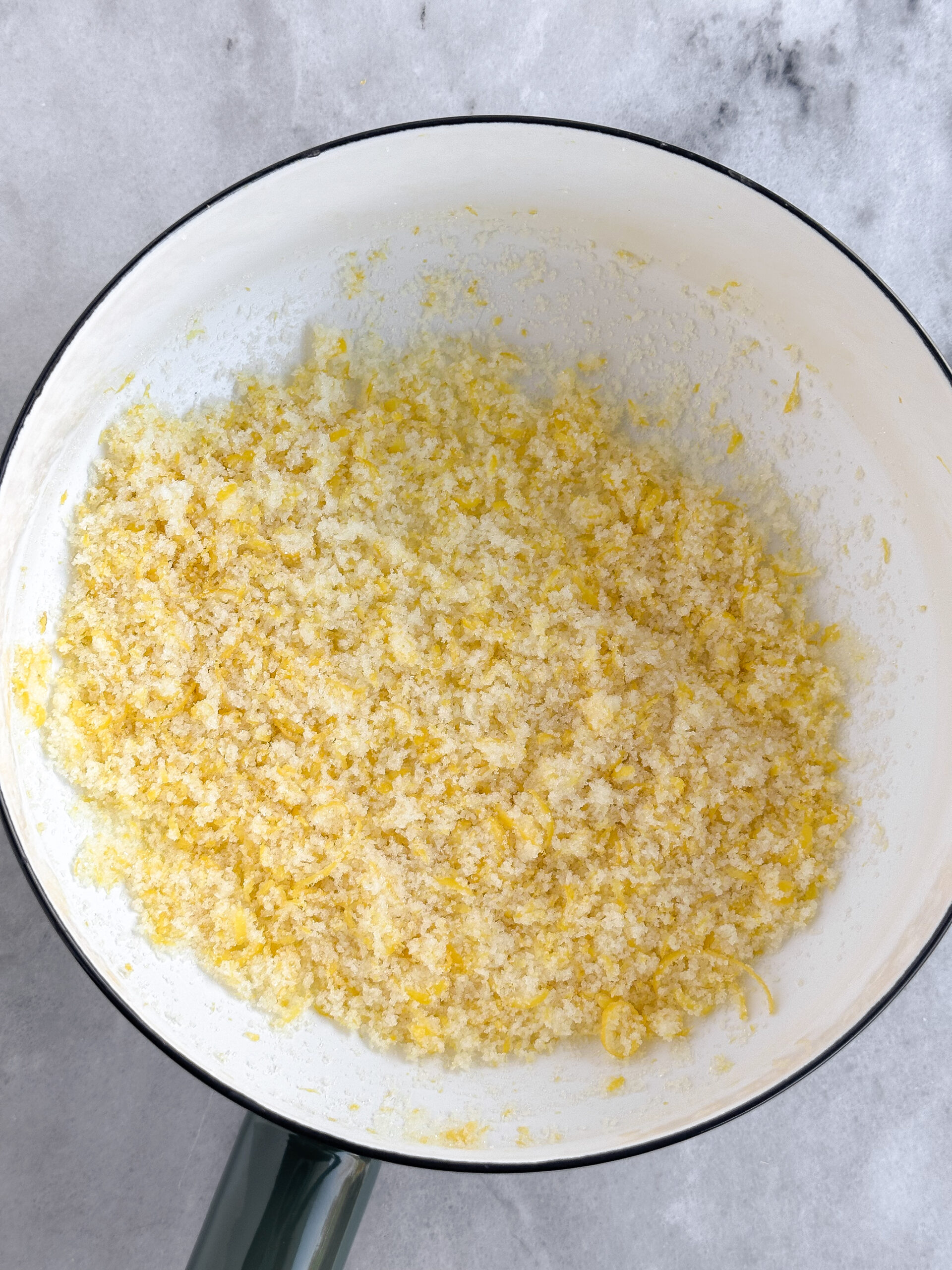
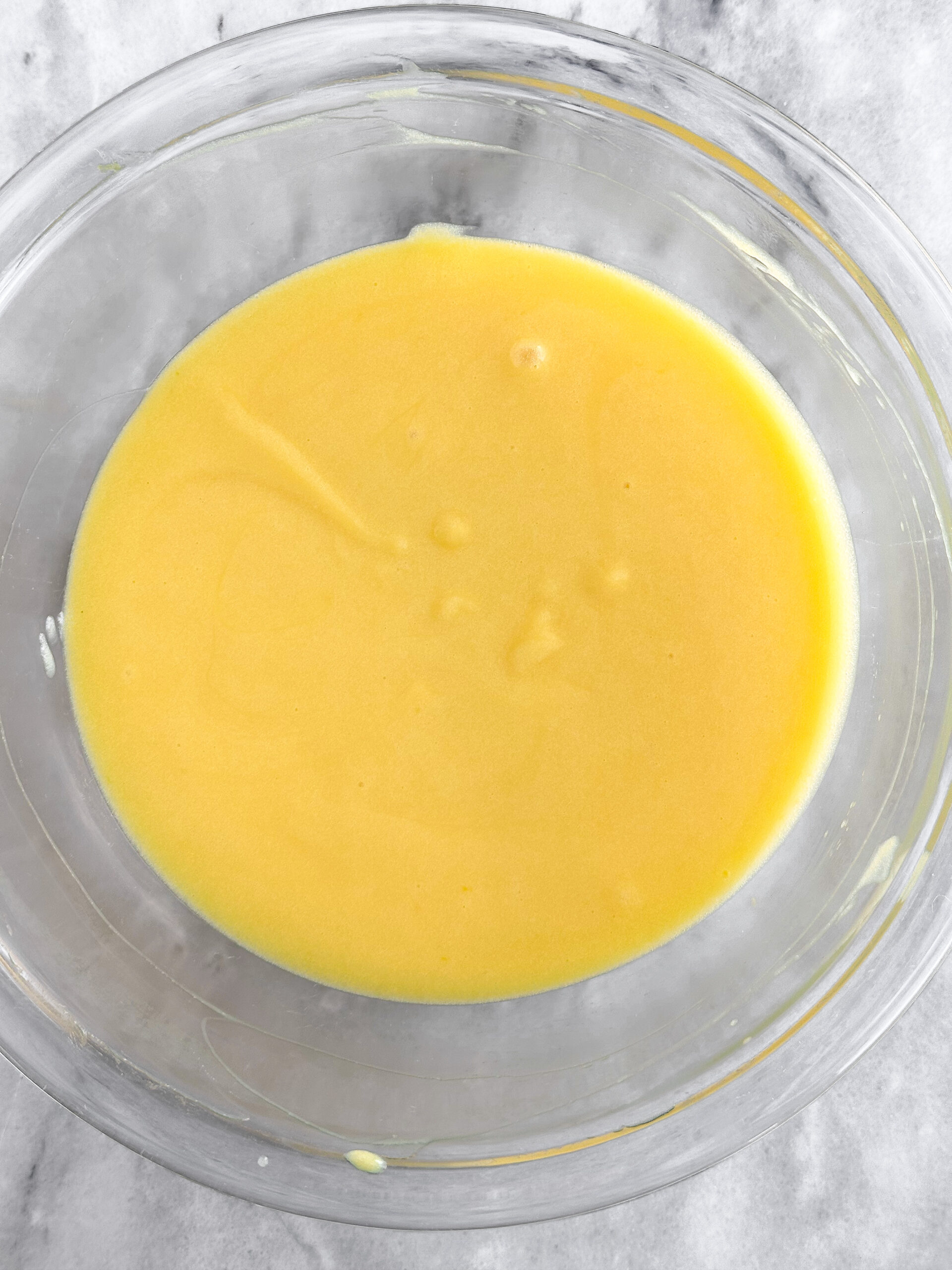
Whisk together the sugar, kosher salt, lemon zest, and eggs in a saucepan. Whisk in the corn syrup and lemon juice before adding the butter. Cook for 6-8 minutes until thick and the temperature reaches 170 Farenheit. Stir in vanilla bean paste.

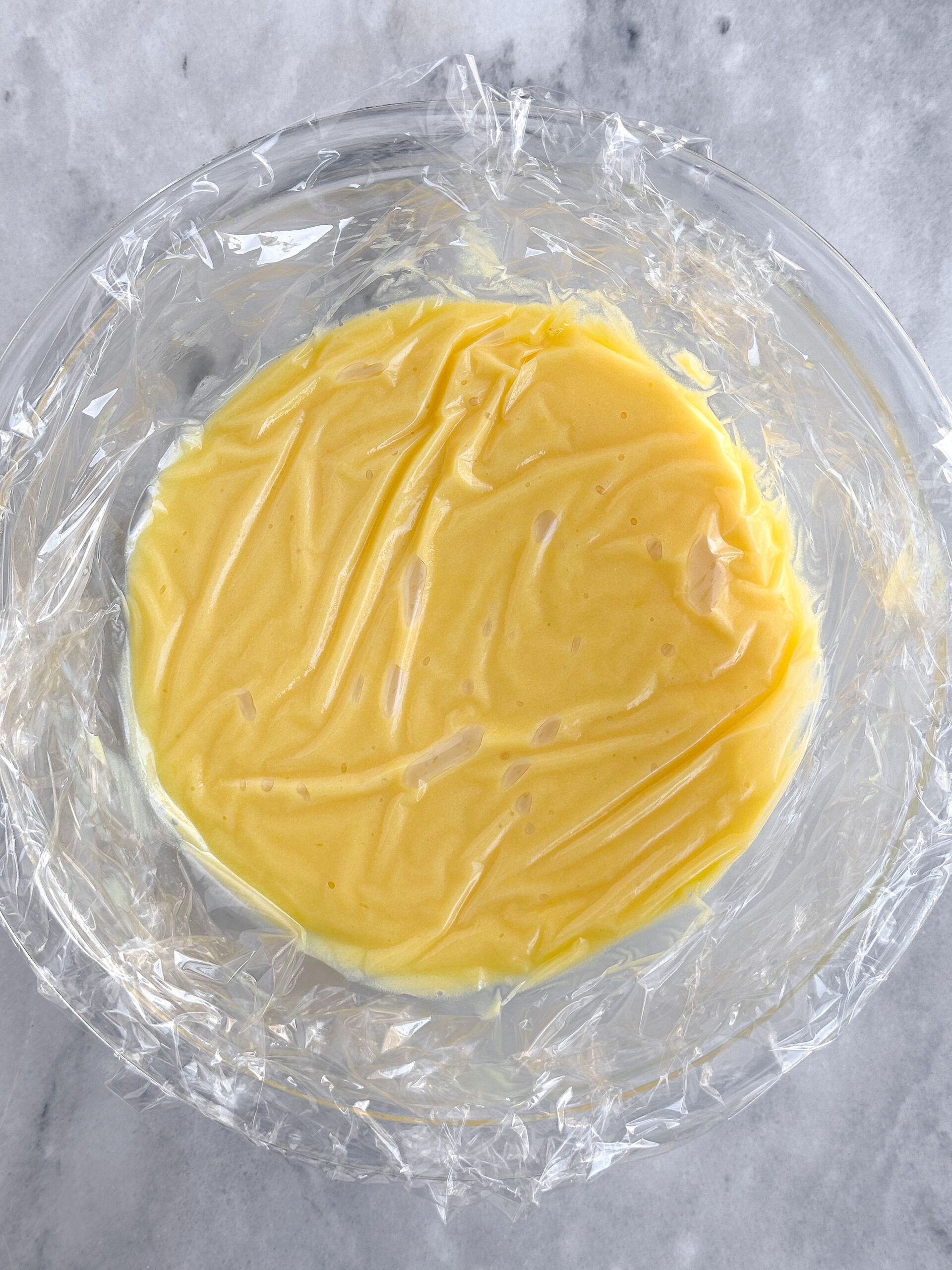
Transfer the curd to a heat proof bowl and cover the top with cling film. Refrigerate and allow to cool completely before using.

Lemon curd will last in the refrigerator for about a week and in the freezer for about a year.

Assemble the Cookies

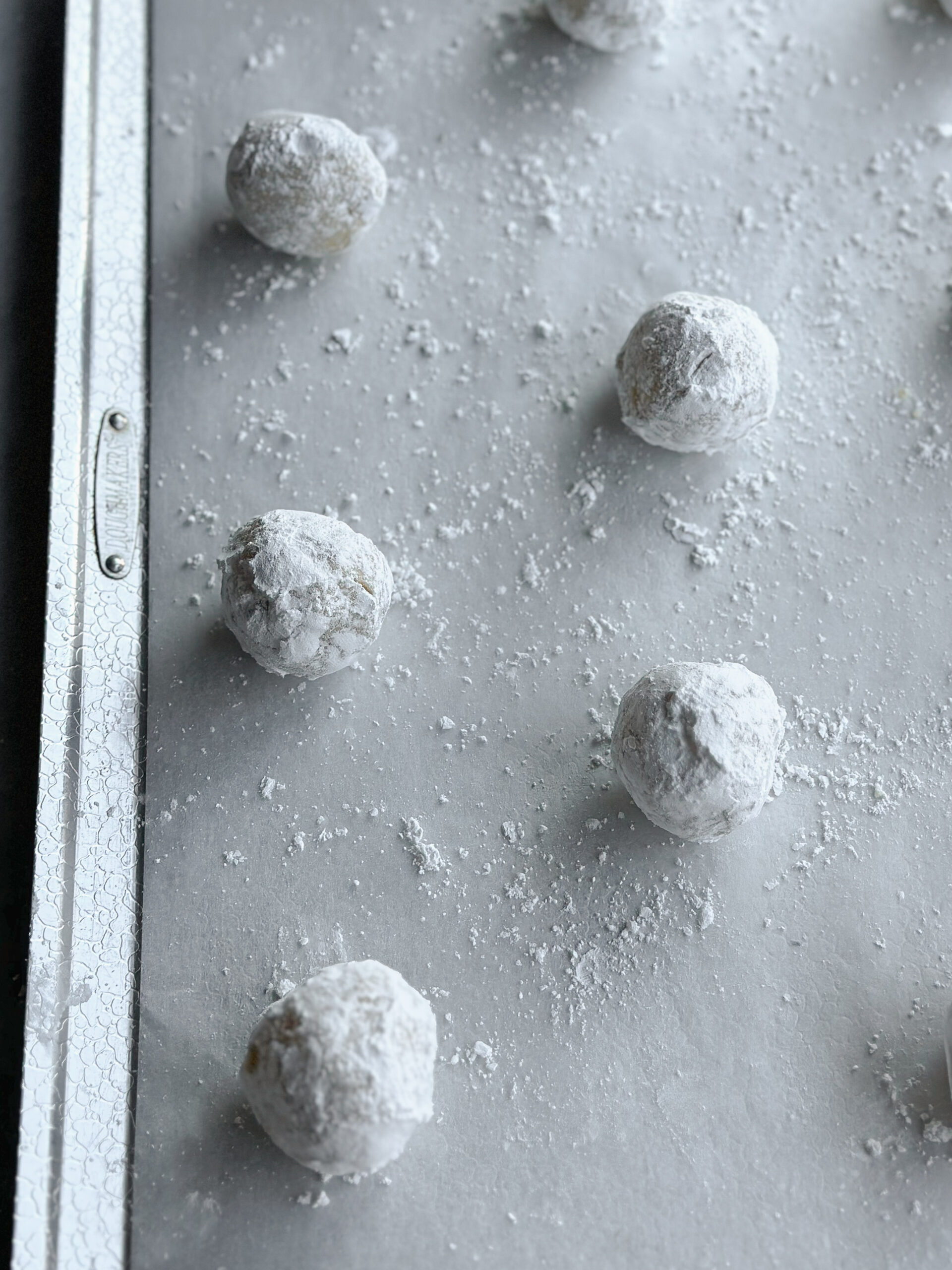
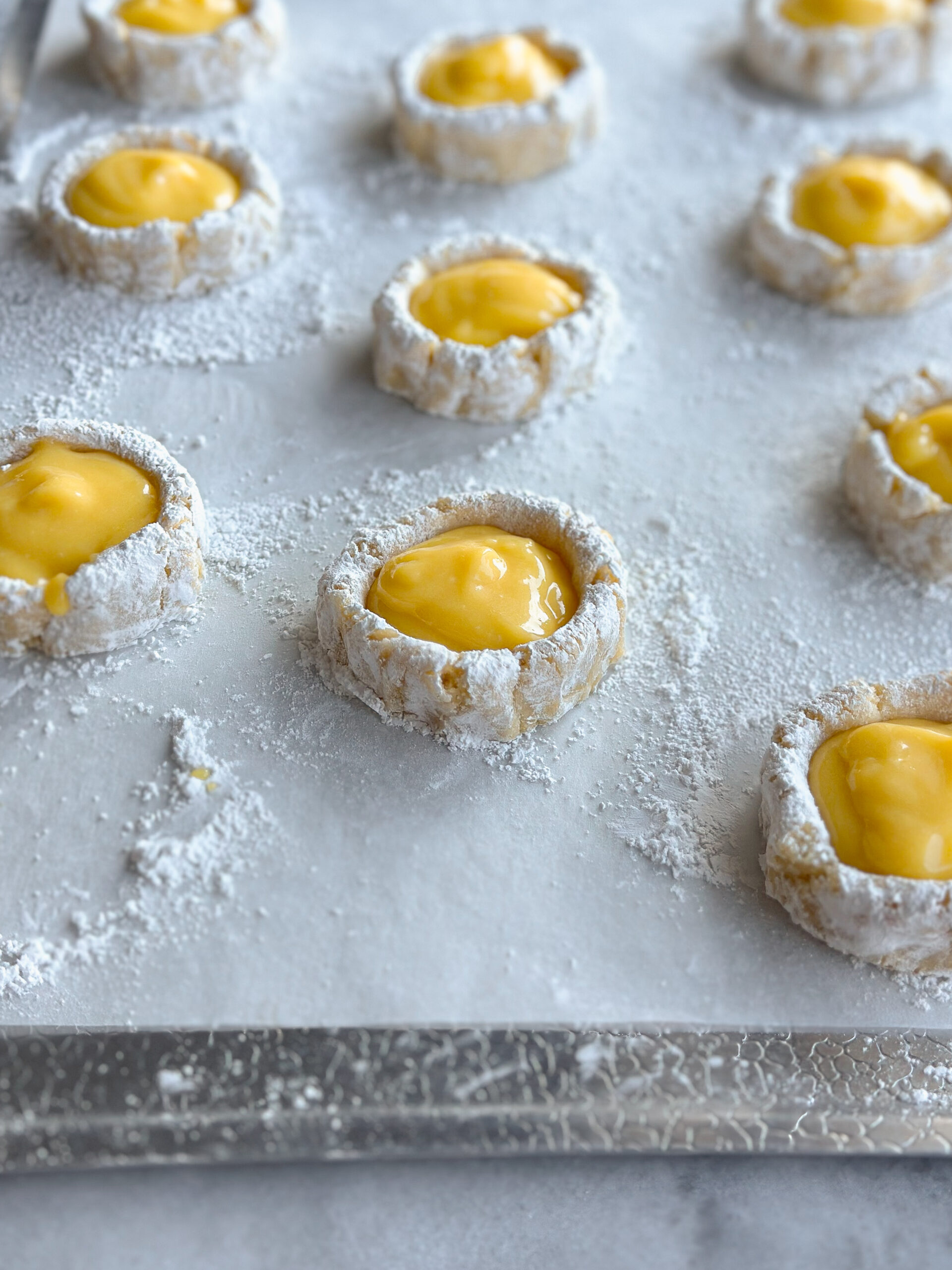
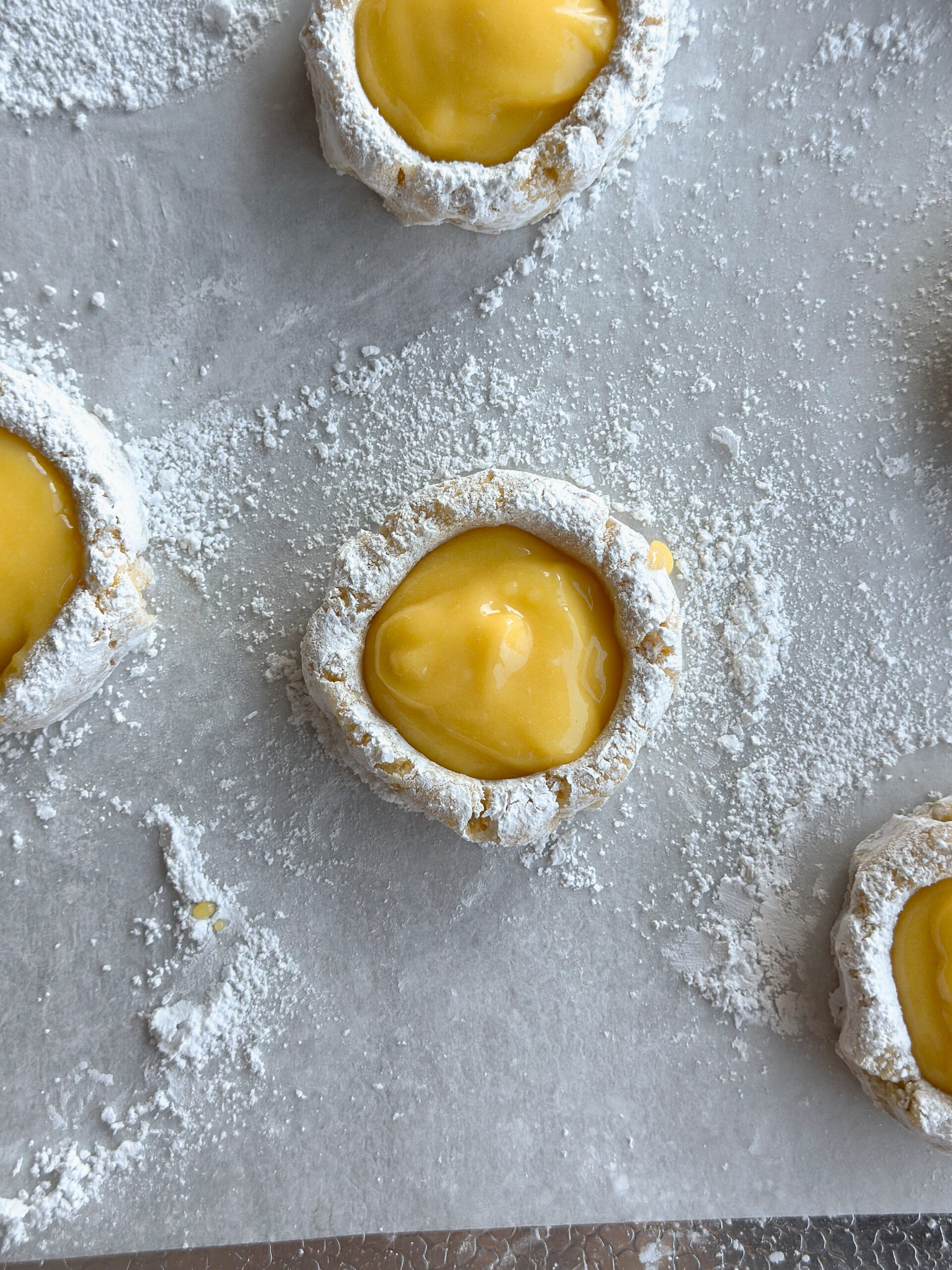
Group together the cookies with the shapes cut from the center and dust powdered sugar over them. I prefer dusting them before assembling, because no powdered sugar gets inside the filling.

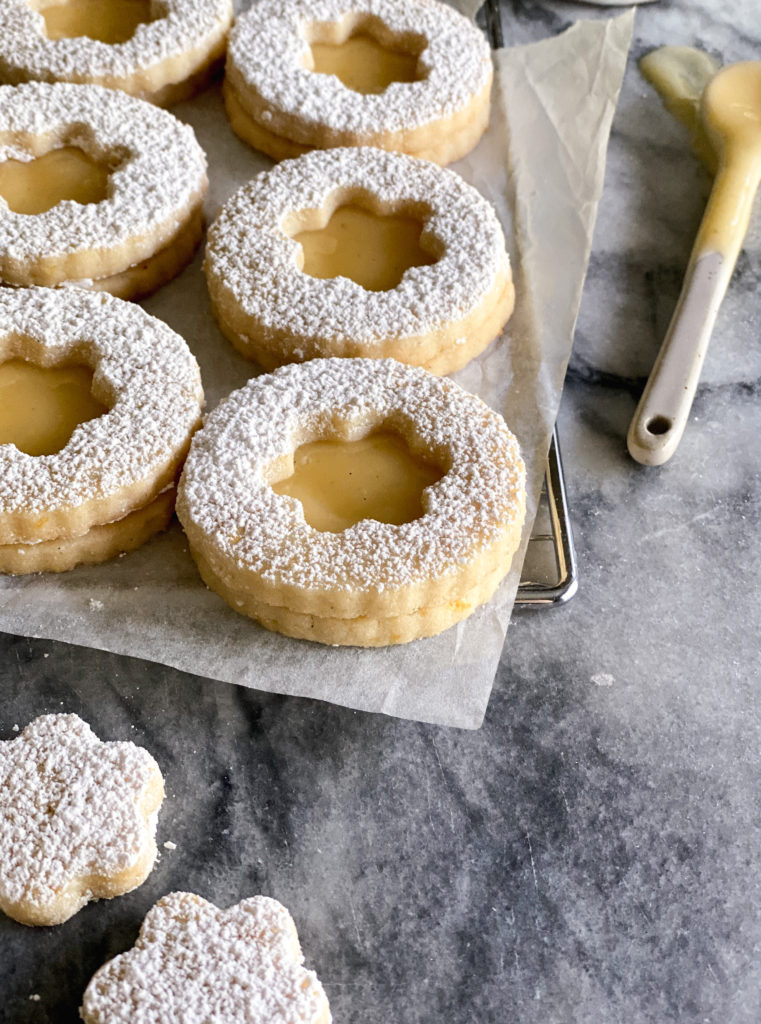
Spoon a small amount of the cooled lemon curd over the base cookie. Place the powdered sugar cookie on top.

Store the assembled cookies in the refrigerator.

A Note About Salt

I use Diamond Crystal Kosher salt in all of my recipes. It should be assumed when reading the word ‘salt’ on this website that I mean Diamond Crystal Kosher salt (unless I say otherwise). If you do not have this salt, and you want to use table salt, use only half the amount called for. Regular table salt is much finer than Diamond Crystal Kosher salt, so a teaspoon of each would not actually yield the same amount of salt. A teaspoon of regular table salt vs. kosher will give a much saltier taste in the recipe. It’s no big deal, just make sure to use half of what the recipe calls for. Although, if you can get your hands on some Diamond Crystal, I totally recommend it.

A Note About Measurements

I bake using weight measurements rather than volume measurements, with the exception of teaspoons or tablespoons in small amounts of things like baking powder or salt. I prefer to weigh my ingredients in grams because it is the most accurate way to measure ingredients. Using cup measurements can vary from cup to cup, making it impossible for everyone to have accurate measurements. Weighing out ingredients using grams is accurate and also much easier. Trust me, a scale will change your baking life.

Lemon Curd

This recipe is adapted from Dorie Greenspan's Citrus Curd.

  • 250 grams granulated sugar
  • ½ teaspoon kosher salt
  • 1 tablespoon lemon zest
  • 4 eggs
  • 180 ml lemon juice
  • 1 tablespoon light corn syrup
  • 113 grams unsalted butter (cubed)
  • ½ teaspoon vanilla bean paste
  1. Combine sugar, zest, and kosher salt in a saucepan.

  2. Add the eggs to the saucepan and whisk well.

  3. Whisk in the corn syrup and lemon juice before adding the butter.

  4. Cook for 6-8 minutes over medium heat while whisking until the curd is thickened and the temperature reaches 170 Farenheit.

  5. Stir in the vanilla bean paste.

  6. Transfer curd to a heat proof bowl and cover the surface with cling film. Cool completely.

Have You Made This Recipe & Loved It?

It would make me the HAPPIEST if you gave this recipe a quick review and tagged me on Instagram.

Simple Valentine’s Day Sugar Cookies

February 10, 2022

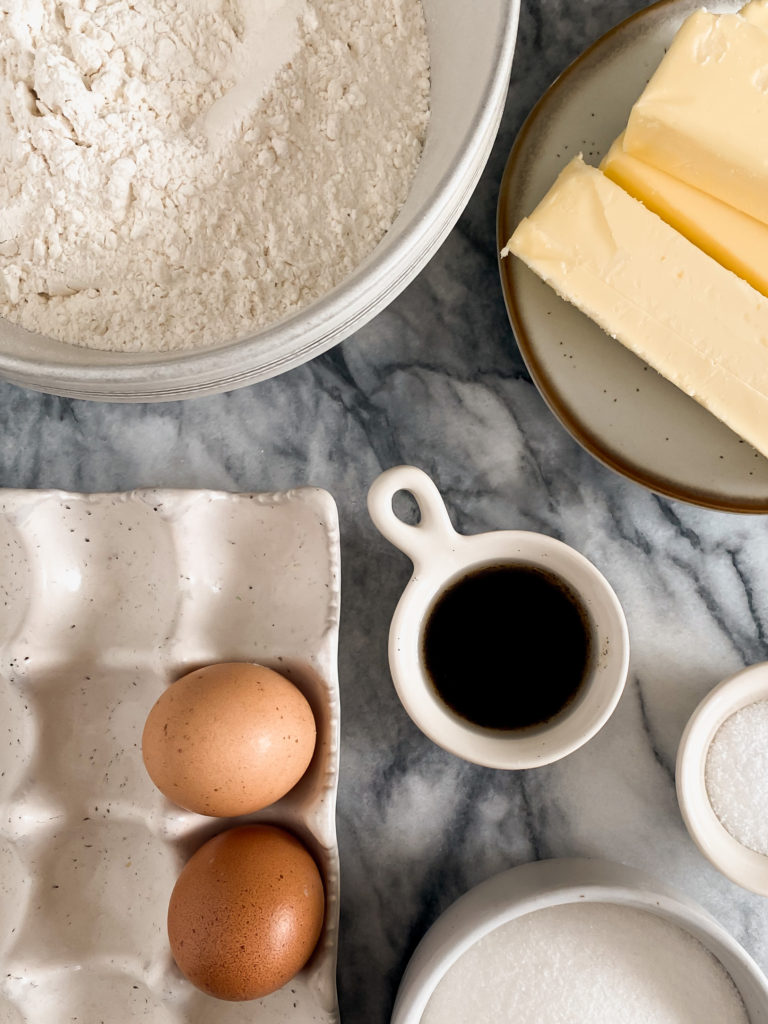
Sometimes you just want a classic vanilla sugar cookie with buttercream. Especially when the occasion calls for rush baking, and you can only work with what you have in your pantry. This buttery vanilla sugar cookie with a touch of almond paired with American buttercream is absolutely delicious, melts in your mouth, and is the perfect customizable cookie for any holiday or event, no matter the theme. This recipe has been used by my family since I was little, and although I’ve modified it over the years, it never fails.

This post contains affiliate links. If you clink on the links and make a purchase, I receive a small commission at no extra cost to you. Thank you so much for your support, as it allows me to keep creating blog posts like this one.

How to Make the Best (And Simplest) Vanilla Sugar Cookies with Buttercream Frosting

Make the Sugar Cookies

Preheat the oven to 400 Fahrenheit and line two cookie sheets with parchment paper. In the bowl of a stand mixer fixed with a paddle attachment, cream the butter, sugar, and salt until lighter in color and fluffy. Scrape down the sides and bottom of the bowl to make sure there are no lumps of butter. (Not doing this could cause the dough to have lumps of butter that melt in the oven and cause uneven baking and spread. And nobody wants that.) Add the eggs, vanilla, and almond (optional, but totally delicious- as long as you don’t have allergies) and mix for another 2-3 minutes on medium-low speed, scraping again. The mixture should be fluffy and light.
In a separate bowl, weigh out the flour and give it a little whisk. Add half of the flour to the creamed mixture and mix on low speed until it starts to combine. Add the rest of the flour and mix on low speed until a dough forms. If any of the flour clings to the sides or bottom of the bowl, scrape it down and mix again being careful not to over mix the dough. (Over mixing dough can cause excessive gluten formation, causing the final result to be a tough cookie.)

Lightly flour a piece of parchment paper before dropping half of the dough onto the parchment. Gently form it into a flat disk and flour the surface before placing a second sheet of parchment on top of the dough. Use a rolling pin to roll the dough to about ¼″ thick. I like to use a guided rolling pin, like this Joseph Joseph one. Repeat with the rest of the dough.

Refrigerate the sheets of dough for at least a half an hour or freeze for about fifteen minutes. Once the dough is chilled, cut out the desired shapes, placing the cookies about an inch apart.

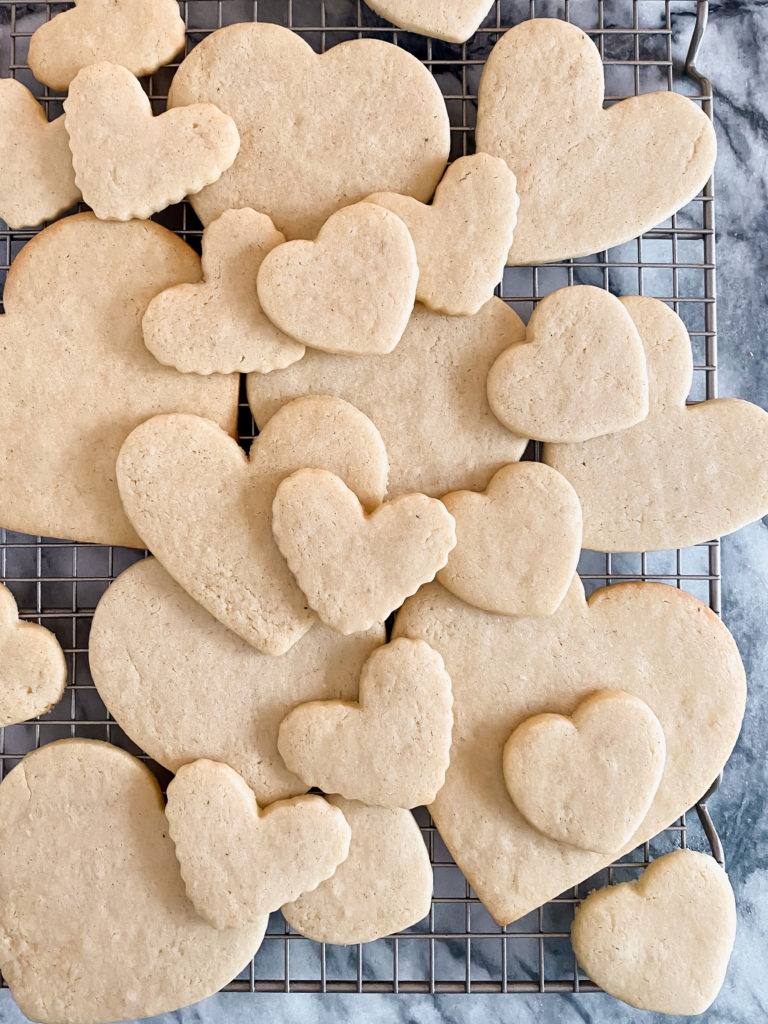
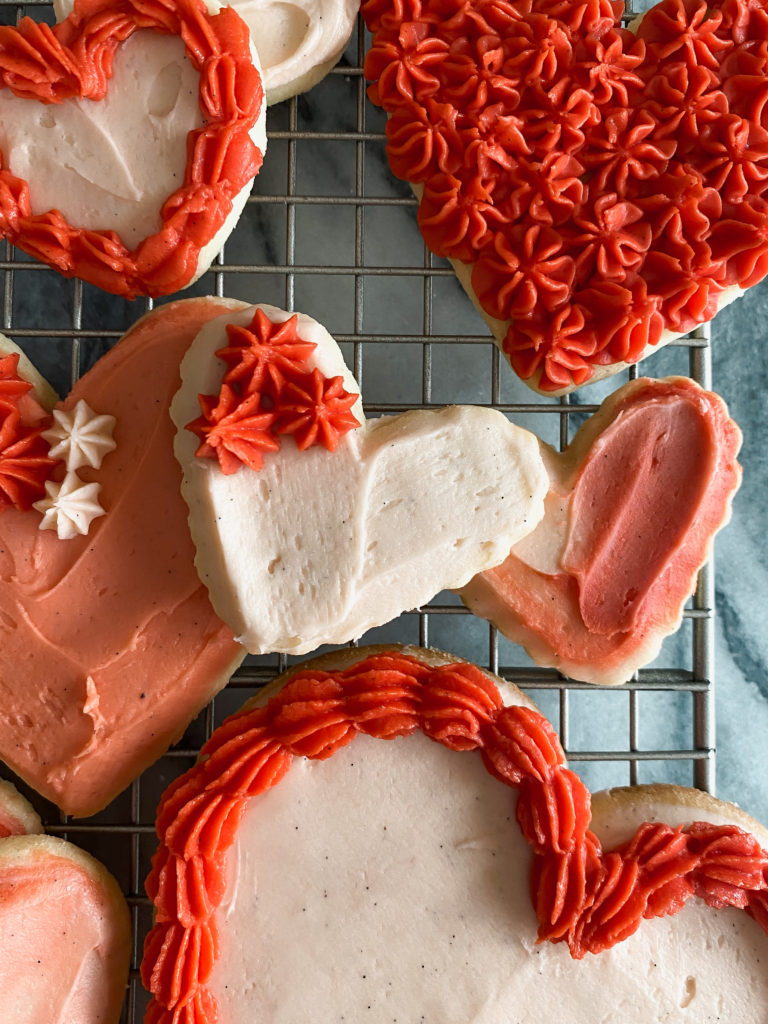
Since Valentine’s Day is only a week away, I, of course, made heart shaped cookies. I used various shapes and sizes of heart cookies cutters that I’ve collected from Target and JoAnn Fabrics. You can find heart shaped cutters anywhere, and most small cookie cutter businesses carry various heart shapes as well.

I like to place the sheets of unbaked cookies in the freezer for five minutes before baking to help prevent spread, but it is completely optional. Bake the cookies at 400 Fahrenheit for about 8-9 minutes, or until the edges get lightly golden and the tops of the cookies are set and no longer shiny. Cool for about ten minutes on the cookie sheet before transferring to a wire rack to cool completely.

Make the Vanilla Buttercream

Beat the room temperature butter and salt in a stand mixer fitted with a whisk attachment on medium speed until light, fluffy, and smooth, making sure to scrape down the sides and bottom of the bowl occasionally. Once the butter is smooth and creamy, add half of the powdered sugar and beat on low until it starts to combine. Add the remaining powdered sugar, vanilla, and cream. Continue mixing on low until everything is combined. Scrape down once more. Exchange the whisk attachment for a paddle attachment and continue beating the buttercream on low for ten minutes. This extra mixing at the end helps smooth out the buttercream and gives a creamier result. (If you’re on a time crunch, just an extra few minutes will do.)

Frost and Decorate the Cookies

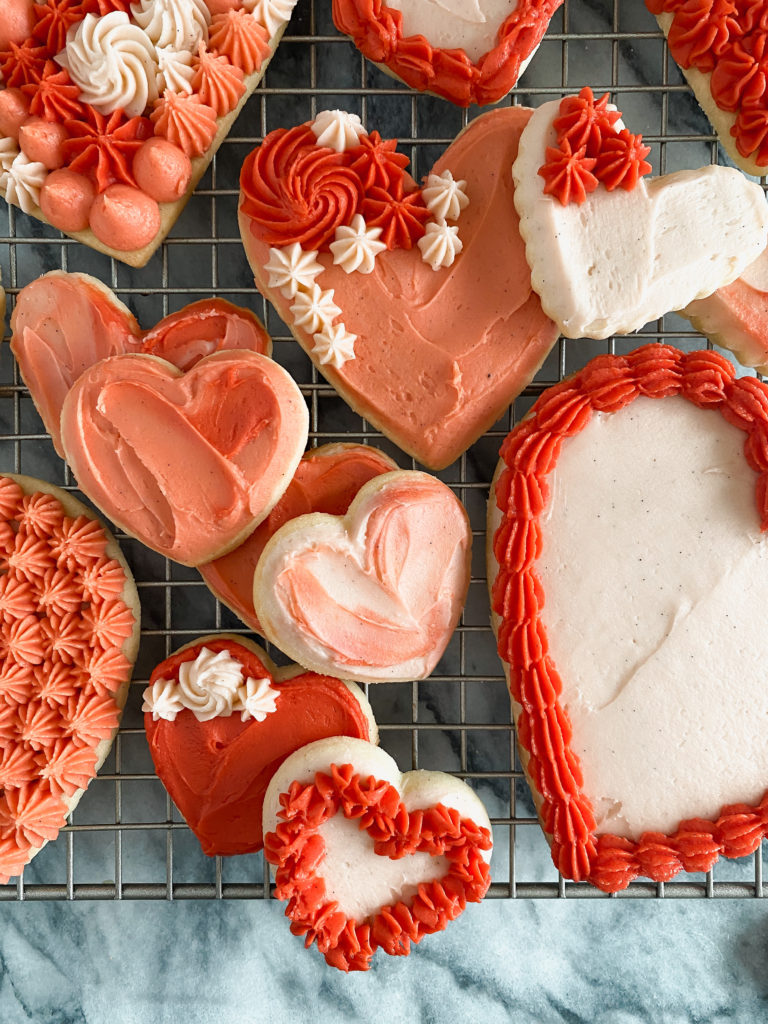
To make colored buttercream, decide into separate bowls and squeeze a couple drops of the desired food coloring into each bowl. It is important to use gel coloring, and not regular food coloring, which is liquid. Liquid food coloring can cause buttercream to separate and become too wet. I prefer Americolor gel food coloring, and I used Tulip Red, Warm Brown, and Dusty Rose to mix my colors. Start out with just a tiny amount, because a little goes a long way.

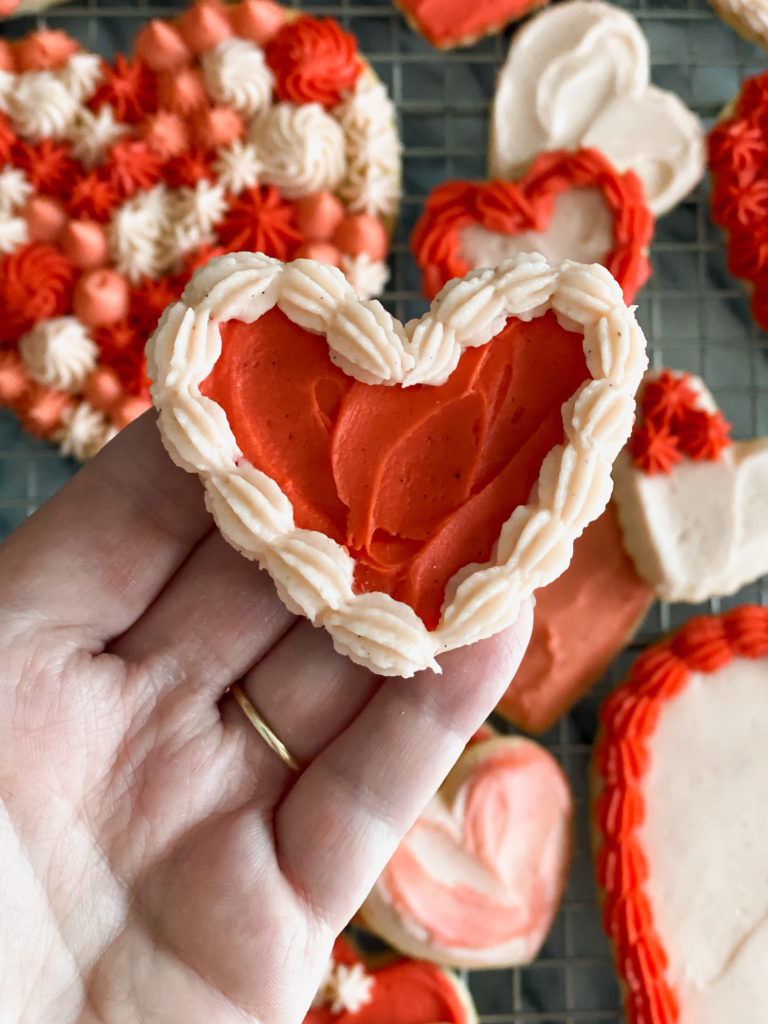
To decorate, simply grab an offset spatula (or even a butter knife) and smear the buttercream frosting onto the cookies. I like to scrape the sides of the cookie to give a clean, crisp look. If you’re feeling a little extra, you could also use piping bags and piping tips to add some rosettes and stars to the cookies. I used Wilton piping tips 22, 12, 32, 30, and 2D. My favorite was the small star tip (21 or 22), because it can be used for rosettes, little stars, and borders.

These cookies are insanely delicious and so easy to make. The *perfect* holiday cookie. 10/10 recommend. Enjoy.

A Note About Salt

I use Diamond Crystal Kosher salt in all of my recipes. It should be assumed when reading the word ‘salt’ on this website that I mean Diamond Crystal Kosher salt (unless I say otherwise). If you do not have this salt, and you want to use table salt, use only half the amount called for. Regular table salt is much finer than Diamond Crystal Kosher salt, so a teaspoon of each would not actually yield the same amount of salt. A teaspoon of regular table salt vs. kosher will give a much saltier taste in the recipe. It’s no big deal, just make sure to use half of what the recipe calls for. Although, if you can get your hands on some Diamond Crystal, I totally recommend it.

A Note About Measurements

I bake using weight measurements rather than volume measurements, with the exception of teaspoons or tablespoons in small amounts of things like baking powder or salt. I prefer to weigh my ingredients in grams because it is the most accurate way to measure ingredients. Using cup measurements can vary from cup to cup, making it impossible for everyone to have accurate measurements. Weighing out ingredients using grams is accurate and also much easier. Trust me, a scale will change your baking life.

Valentine Vanilla Sugar Cookies with Buttercream

Buttery vanilla sugar cookies with delicious American buttercream that will quickly become your go-to for every holiday.

Vanilla Sugar Cookies

  • 4 sticks unsalted butter (room temperature)
  • 230 grams granulated sugar
  • 2 teaspoon Diamond Crystal Kosher Salt
  • 1 whole egg
  • 1 egg yolk
  • 2 teaspoon vanilla bean paste (or vanilla extract)
  • 2 teaspoon almond extract (optional)
  • 570 grams all-purpose flour

American Buttercream

  • 2 sticks unsalted butter (room temperature)
  • 1 teaspoon Diamond Crystal Kosher Salt
  • 1 lb powdered sugar
  • 2 teaspoon vanilla bean paste (or vanilla extract)
  • 4 tablespoon heavy cream (or milk)

Vanilla Sugar Cookies

  1. Preheat the oven to 400 and line baking sheets with parchment paper.

  2. In the bowl of a stand mixer with a paddle attachment, cream butter, sugar, and salt until light and fluffy. Scrape down the sides and bottom of the bowl.

  3. Add the eggs, almond extract, and vanilla bean paste. Mix on medium speed until the mixture becomes smooth and fluffy, about 5 minutes. Scrape down the sides and bottom of the bowl.

  4. In a separate bowl, weigh the flour and give it a quick whisk. Add half of the flour to the mixer bowl and mix on low speed until the flour starts to incoporate. Add remaining flour and mix on low until all the flour is incorporated, scraping the bowl when necessary. Allow dough to rest in the bowl for ten minutes before rolling out.

  5. Drop half of the dough onto a lightly floured piece of parchment, gently shaping it into a flattened rectangle. Lightly flour the surface of the dough before placing a second piece of parchment over it. Roll the dough to about ¼".

  6. Cut cookies and place on a parchment lined baking sheet about one inch apart. Bake for 7-9 minutes, or until edges start to become golden and the surfaces of the cookies are dry.

  7. Cool on baking sheet for about ten minutes before transferring to a wire rack to cool completely before frosting.

American Buttercream

  1. In the bowl of a stand mixer with a whisk attachment, beat butter and salt until very light and fluffy.

  2. Add half of the powdered sugar and mix on low until nearly combined. Add remaining sugar and mix until combined.

  3. Add the vanilla bean paste and heavy cream and mix on medium-high speed until creamy and fluffy. Adjust cream as needed. Scrape down the sides of the bowl.

  4. Exchange the whisk attachment for the paddle attachment and continue to mix on low speed for about ten minutes to smooth out the air pockets.

  5. Color buttercream as desired. To decorate, use a butter knife (or palette knife) to spread frosting over cookies or fill piping bags fitted with small tips to pipe frosting on cookies.

  • American buttercream is a crusting buttercream, so the frosting will develop a light crust but it can still be crushed if too much weight is pressed on them.
  • Frosted cookies should be stored in an airtight container either in the refrigerator or at room temperature. Kept at room temperature, they are safe to eat for up to three days. Kept in the refrigerator, they are safe to eat for one to two weeks. The frosted cookies can also be frozen in an airtight container for up to three months. 
  • Unfrosted cookies can be stored in an airtight container at room temperature or in the refrigerator for up to two weeks. They can also be frozen for up to three months. 
Sugar Cookies

Have You Made This Recipe & Loved It?

It would make me the HAPPIEST if you gave this recipe a quick review and tagged me on Instagram.

How to Make Your Own Vanilla Extract

September 27, 2021

*This post contains affiliate links that when used, provides me with a tiny commission at no additional cost to you. As always, I only recommend products that I, myself enjoy and use. Thank you!

I recently fell down the rabbit hole that is making homemade vanilla extract. I am obsessed and am convinced this is the most fun one can have in the kitchen. This is it. 

I had thought of making my own extract a while back, but to be honest, the process scared me a bit and it seemed like it would be a pain and expensive. I was wrong about both, and I decided to write up a post explaining all the basics you need to know when making your own homemade vanilla extract. 

Why You Should Consider Making Your Own Vanilla Extract

  1. Cost Effective. Making your own vanilla extract is very cost effective and can lower the price of your vanilla by half or two thirds. Here’s a rough breakdown of some costs:

4 ounces Vanilla Beans- $40
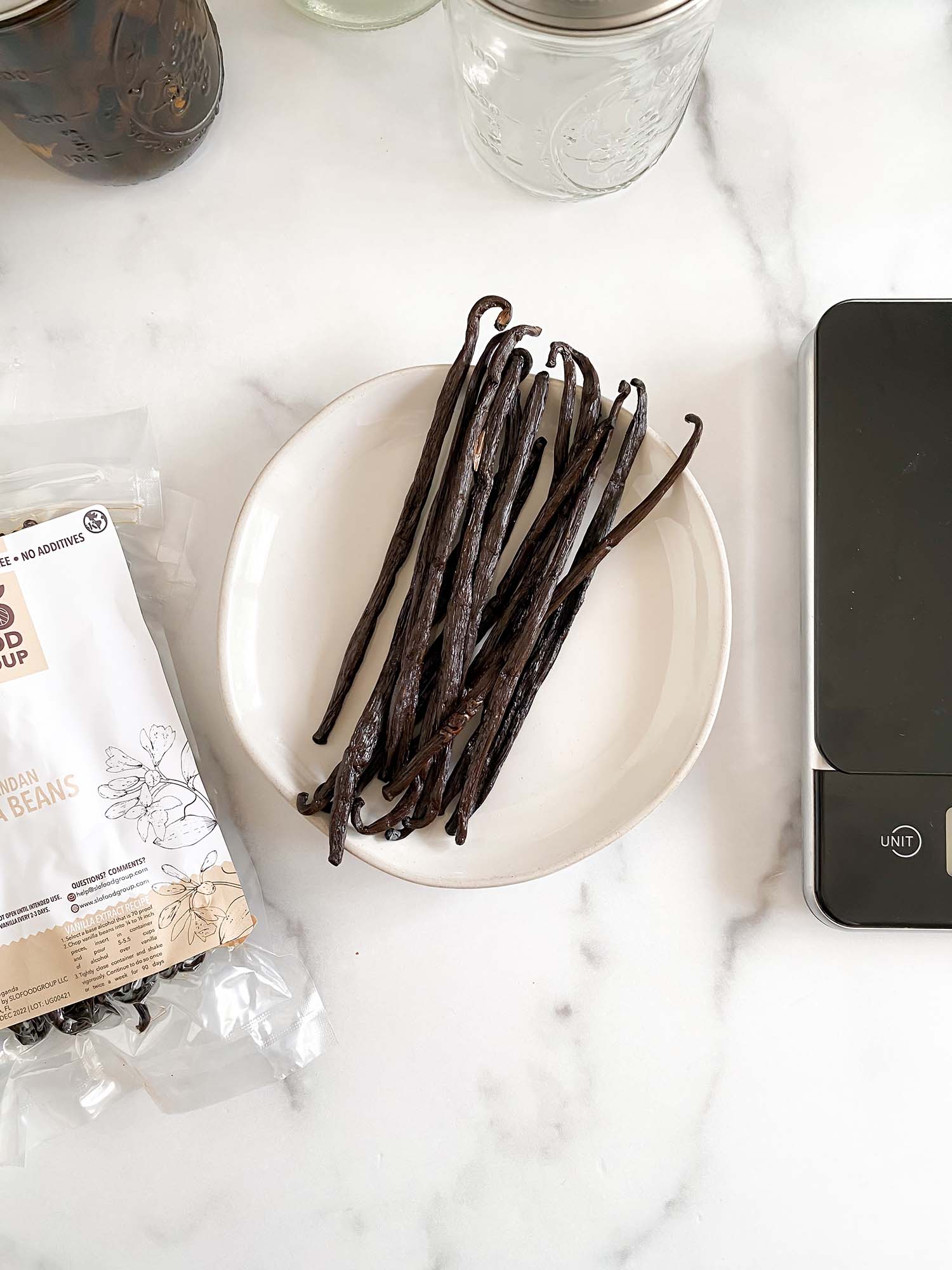
1 Liter bottle of Vodka- $15

Total Cost for 32 ounces of Vanilla Extract- $55 ($1.72/ounce)

*This is based on the ratio of one ounce of beans to 8 ounces of vodka. Another acceptable ratio is one ounce of beans to 10 ounces of vodka, which then makes the price per ounce $1.38)

Below is the price breakdown of the ever popular Nielson Massey Vanilla Extract available on Amazon. You can see that the price goes down per ounce the more you purchase, but even a large bottle is about twice the price of the homemade version.

Nielson Massey Extract- 

  • 2 oz jar- $15.95 ($7.98)
  • 4 oz jar- $19.95 ($4.99)
  • 8 oz jar- $34.99 ($4.37)
  • 32 oz jar- $104.87 ($3.28)

A popular budget vanilla extract, McCormick, is still more expensive than the homemade vanilla extract.

McCormick Vanilla Extract– 16 oz bottle- $34.96 ($2.19)

  1. Quality. The quality of your store-bought vanilla extract can vary. Different brands use different ratios of vanilla to vodka (sometimes even adding water), and it is always possible (and sometimes likely) to get a very weak vanilla extract while still paying a high price. Making your own vanilla extract allows you to be in control of your vanilla bean’s quality and the potency based on how many beans you use. You can also experiment with different flavors by using different alcohols like bourbon or by using different types of beans, such as Madagascar, Ugandan, Tahitian, or others.
  1. Fluctuating Prices. Vanilla is always fluctuating in price, with it only getting more and more expensive. According to this article, vanilla prices began to rise in 2015, and have consistently been about ten times the original cost of vanilla. Making several jars of your own vanilla extract with beans bought at a good price ensures that you have vanilla in the future without having to pay unknown high prices.
  1. The Experience. Making your own vanilla extract is FUN. I love experimenting and trying new things, and this process didn’t disappoint. Incredibly simple and with more than one method to try, you can really have a lot of fun making the vanilla your own. And let’s be honest, who wouldn’t feel impressed with themselves after producing their own beautiful jars of vanilla extract?

What You Need to Make Your Own Vanilla Extract

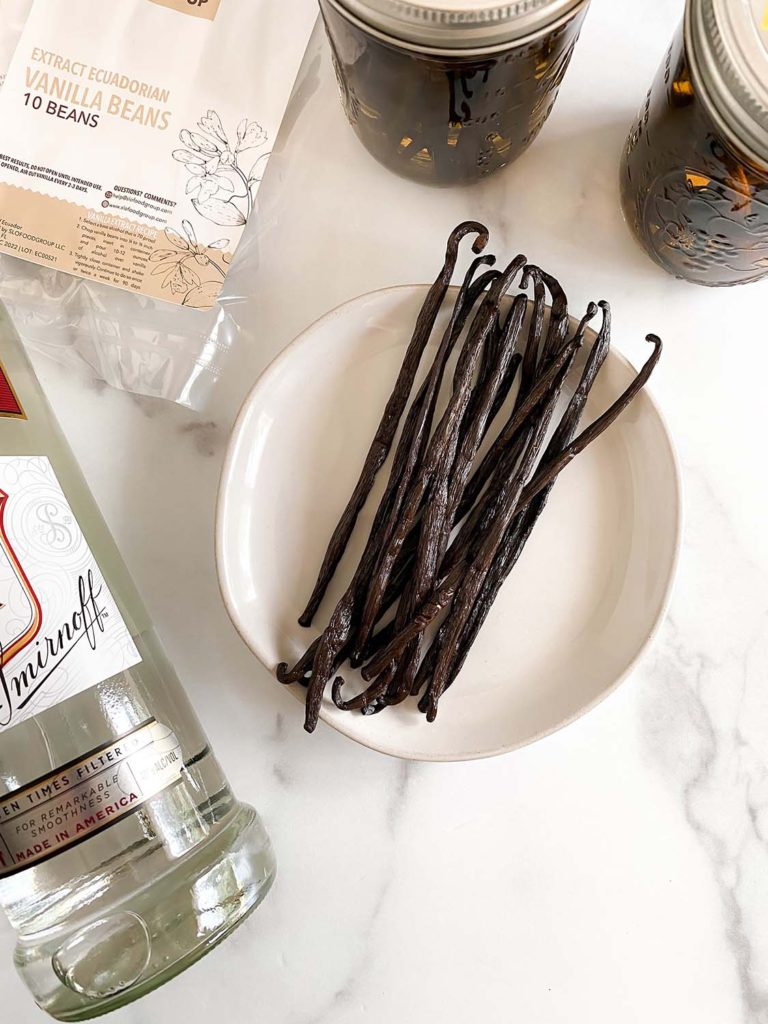
Grade B Vanilla Beans

Vodka (at least 35%)

Glass Container

Vanilla Beans

There are many types of vanilla beans, and the quality and type you get will affect the overall flavor of the extract. Here are some important things to consider:

  1. Grade A or Grade B:

Grade A vanilla beans are beautiful and perfect in their condition. They are moist, plump, and without blemish. They are very expensive and considered gourmet. Because Grade A beans are more moist, they are able to infuse flavor more quickly into a dish, although that flavor is more diluted.

Grade B vanilla beans are smaller, less moist, and may have blemishes. Because they are visually not at the standard of Grade A, they are less expensive and perfect for making extract. Because a Grade B vanilla bean is less moist, the flavor is more powerful, although it takes longer to extract. This makes them perfect for vanilla extract, because the process of extracting vanilla flavor into alcohol is lengthy- giving the beans enough time to release the concentrated flavors and creating a dark, rich vanilla extract.

*source: https://www.slofoodgroup.com/blogs/recipes-stories/understanding-the-difference-in-grades-of-vanilla-beans

  1. Origin/Type:

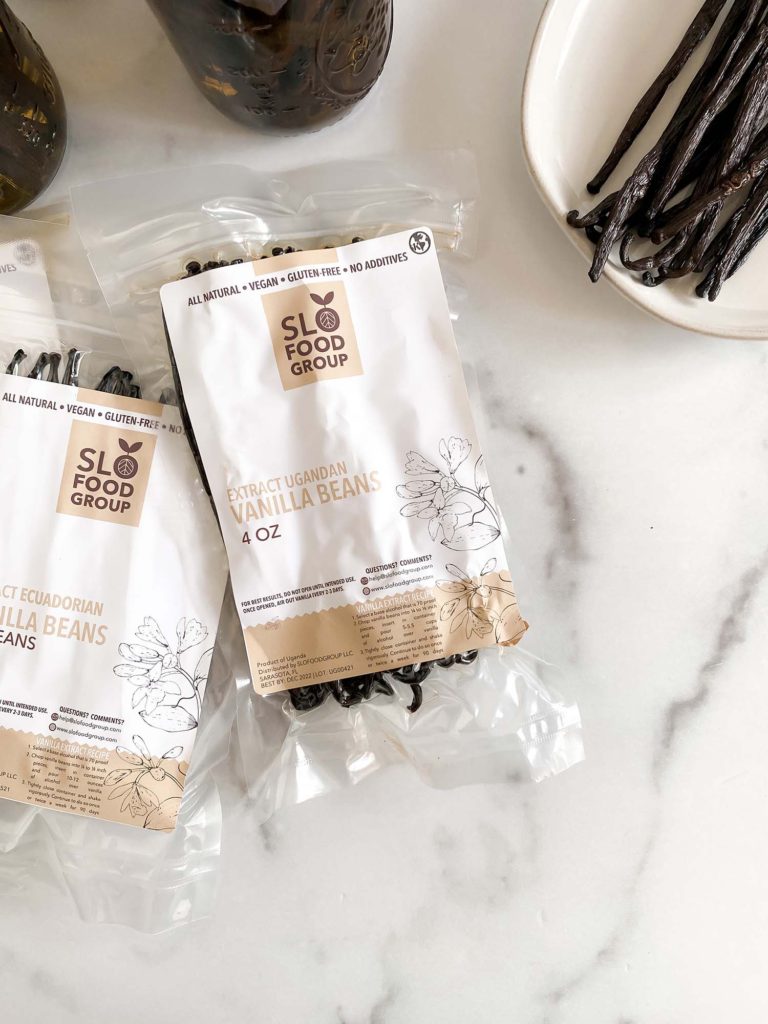
How do you know which vanilla bean to choose? There are many varieties with their own flavor notes and special characteristics including Madagascar, Tahitian, Ugandan, Ecuadorian, and more.

Madagascar Bourbon Vanilla Beans are the most common vanilla beans used in extracts. If you are just starting out with making your own vanilla extract, I recommend using this type of bean as you will be most familiar with its flavor profile.

These are the three beans I used to make my extracts:

Madagascar Beans: When purchasing traditional Bourbon vanilla beans you will find a rich, creamy and familiar vanilla flavor. Madagascar vanilla beans are well-suited for baked goods and both hot and cold preparations.

Ecuadorian Beans: These beans are “fruity, floral, and much deeper in-depth than other Tahitian vanilla beans. To us, these vanilla beans have an aroma with notes of stone fruits, green apple, sour cherry, passion fruit with a touch of honey, and prickly pear.”

Ugandan Beans: “Grade B Ugandan vanilla beans (also referred to as extract beans), [are] the ideal vanilla bean choice for making a rich and complex vanilla extract. The earthy, chocolate undertones of these bourbon type vanilla beans from East Africa are a flavor bomb in a bottle waiting to be released into your favorite recipes.”

  1. Where to source the beans:

The quality of your vanilla extract is really dependent on the quality of the vanilla beans, as that is where all of the flavor exists. You can purchase vanilla beans in small quantities at many grocery stores, but this is not cost efficient as a single 8-10 ounce jar of alcohol will need an ounce of beans (which can be anywhere form 6-12 beans depending on the grade and size).

It is very important to choose beans that are ethically sourced, high quality, and have a good bulk price. I prefer to purchase my vanilla beans from SloFood Group because they check all the boxes AND they have free shipping. 

*side note of importance: they also carry the most beautiful spices, teas, salts, and gold flakes.

Alcohol

  1. Vodka:

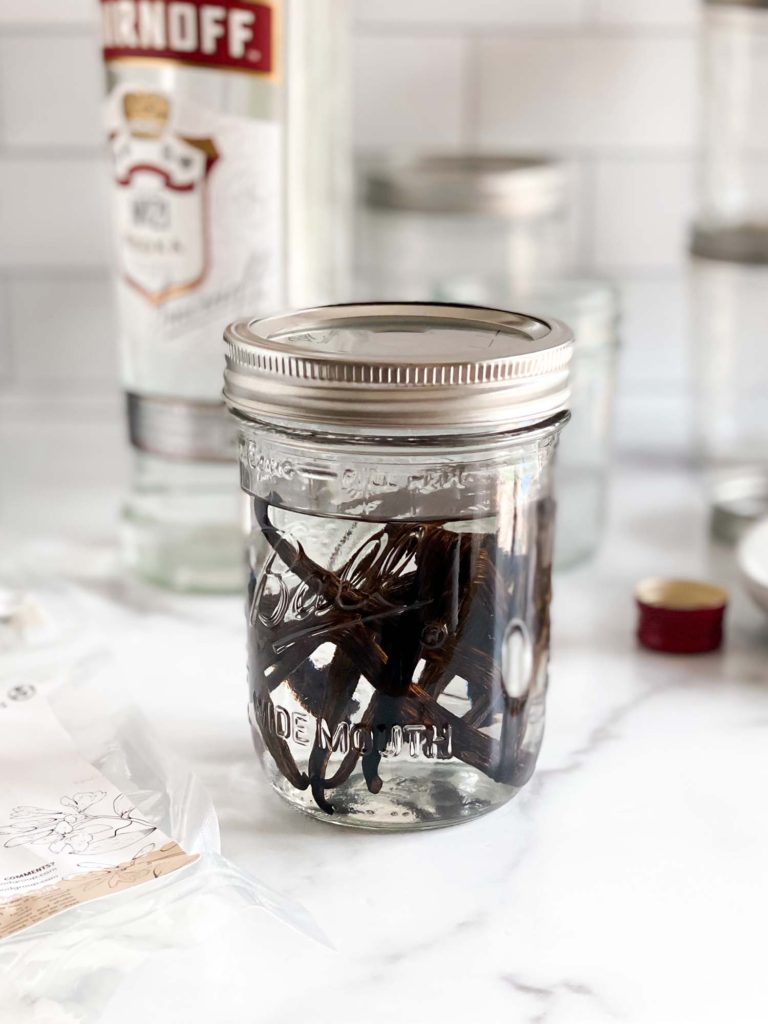
The only important thing to know when shopping for vodka, is that it needs to be 70 proof/35% vodka. It is not critical to use a high quality or expensive vodka. In fact, I looked for a bottle that was less expensive to even further lower the costs. In the end, I paid $15 for a one liter bottle of Smirnoff’s that filled four eight ounce jars.

  1. Bourbon, Rum, and More…

It is possible to make vanilla extract in other alcohols as well as vodka. I (and a lot of pros who I learned this from) recommend using plain vodka for the first try, but I have heard a lot of good things from people who have fun creating specialty extracts with different alcohols. 

  1. Glycerin:

Glycerin is an alcohol free alternative to those who do not want to use alcohol in their extracts. I will not be going over how to make extract with glycerin, because I haven’t tried it yet, but know that it is a great alternative if you are not interested in using alcohol for whatever reason.

Containers

I do not recommend spending a lot of money (or any really) on any specific jars. I do recommend using glass jars with a good seal, but any old (clean) sauce jar will do. I happen to keep quite a lot of Ball canning jars on hand in various sizes, and those work perfectly. I love 12 ounce jars and 8 ounce jars.

I did purchase some beautiful 8 oz. amber bottles, but I’m going to be using them to pour my finished extracts into, rather than using them during the extraction process.

How to Make Your Own Vanilla Extract

You already know why you should make your own vanilla extract and what you need to make your own vanilla extract, but how do you actually make it? Here’s a simple breakdown of the different processes.

  • Option #1- Slicing/Cutting the Beans

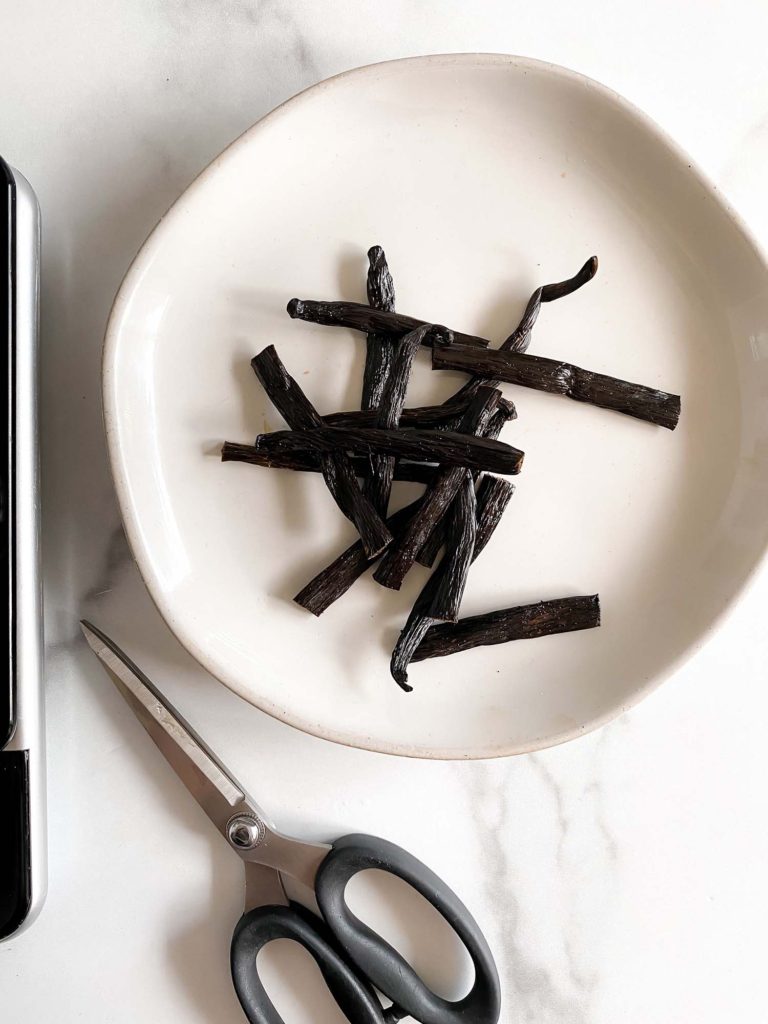
Slicing the vanilla beans requires you to slice your beans down the middle to expose the vanilla seeds. Doing this allows your extract to be finished much more quickly, since the vanillin doesn’t have to go through the shell of the bean due to the caviar (vanilla bean seeds) being exposed. However, it is more difficult to use the beans afterwards in other uses, such as vanilla sugar or vanilla bean paste, and the vanilla will be filled with vanilla bean flecks rather than being a pure, clean liquid.

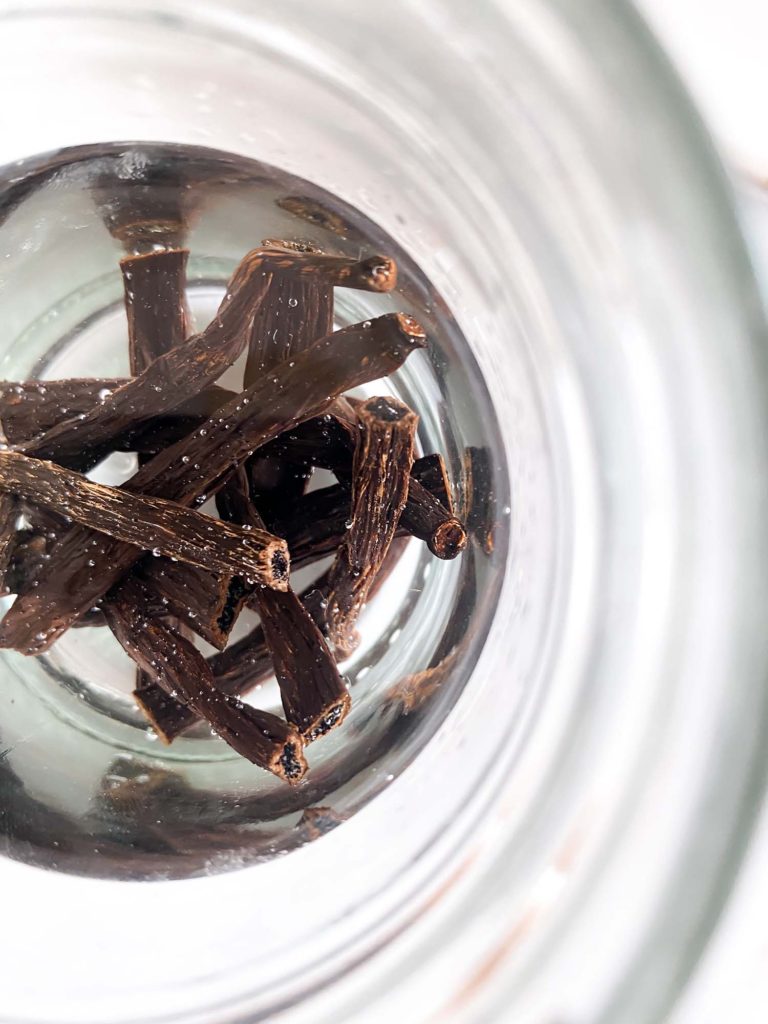
Cutting the beans is simply chopping them into smaller pieces and is ideal for when your jar is too small for whole beans (even folded whole beans). Since cutting also exposes the inside of the bean (although much less so than slicing), the extract will take much less time to be finished since the vanillin doesn’t have to travel all the way through the shell of the bean. Again, the caviar finds its way into the extract, and it is more difficult to use these cut beans after the extract is complete, although certainly not impossible.

When slicing or cutting your beans, you can expect your extract to be usable as soon as 3-4 months.

  • Option #2- Leaving the Beans Whole

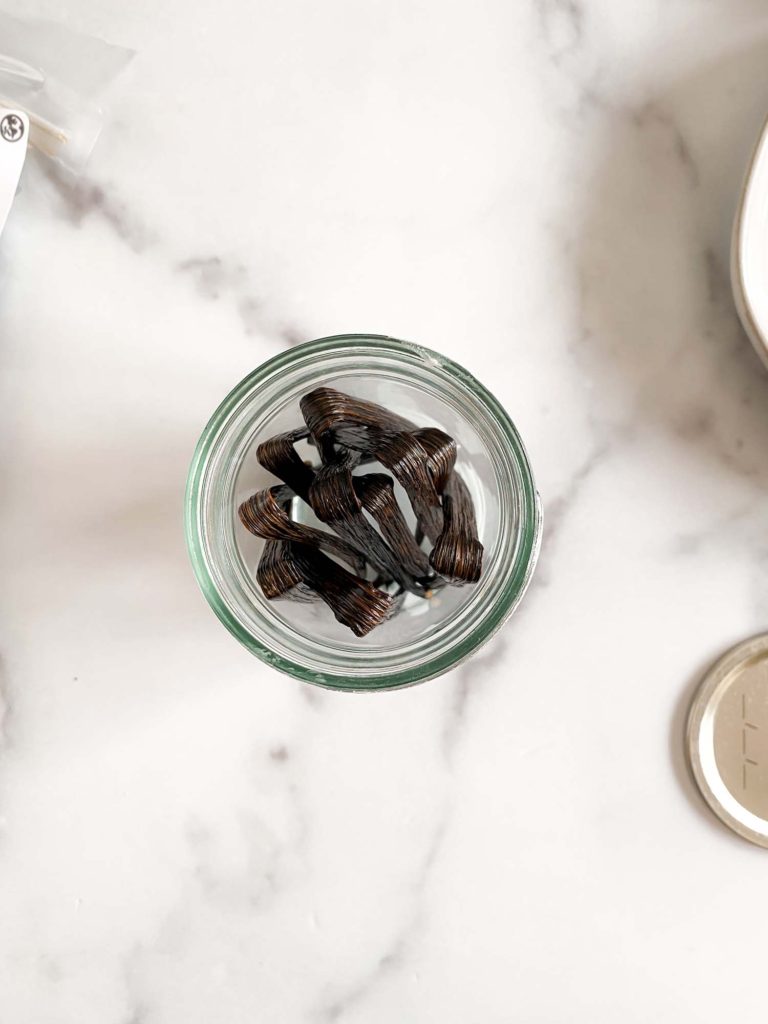
Another way to make extract is to leave the vanilla beans whole. When using a jar shorter than the vanilla bean itself, simply fold the beans in half. Of course, an obvious reason to leave beans whole is that you can reuse the beans afterwards thanks to the caviar staying inside the bean. This method does take a significantly longer amount of time, with the vanilla extract being usable in about 6-12 months.

The Ratio:

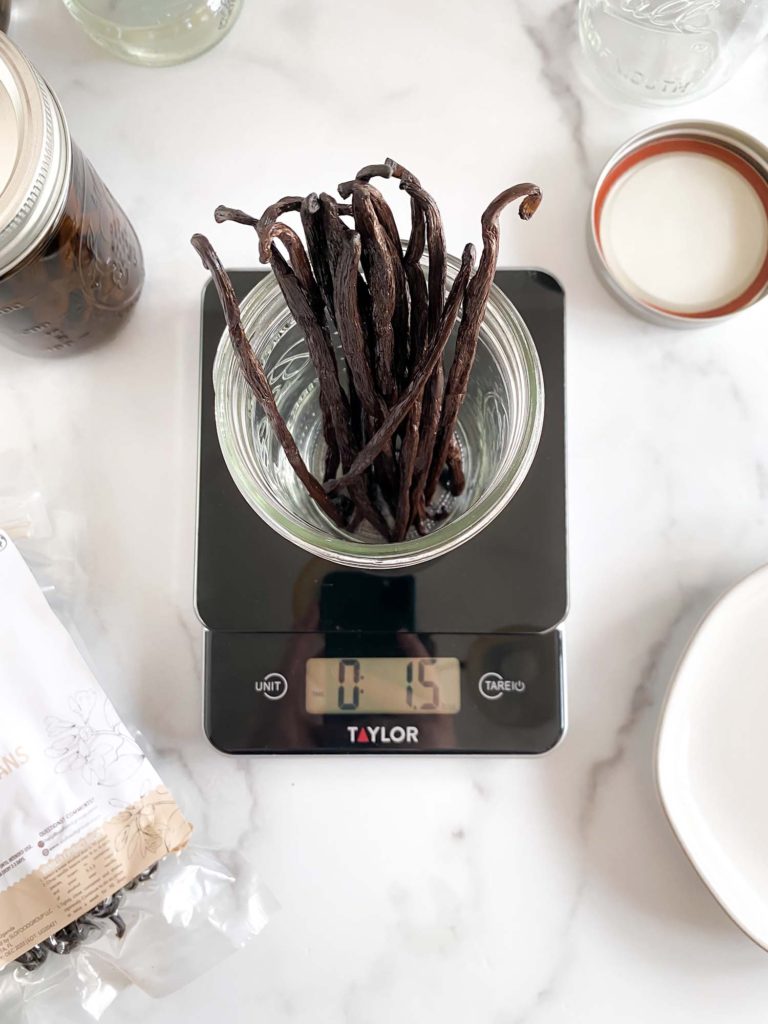
One ounce of beans : Eight ounces of vodka

*It is not about bean count. You have to weigh them.

The Process

#1. Shop for your beans, making sure to select Grade B beans in whatever style you like.

#2. Choose which method you are going to use- slicing, cutting, or leaving the beans whole.

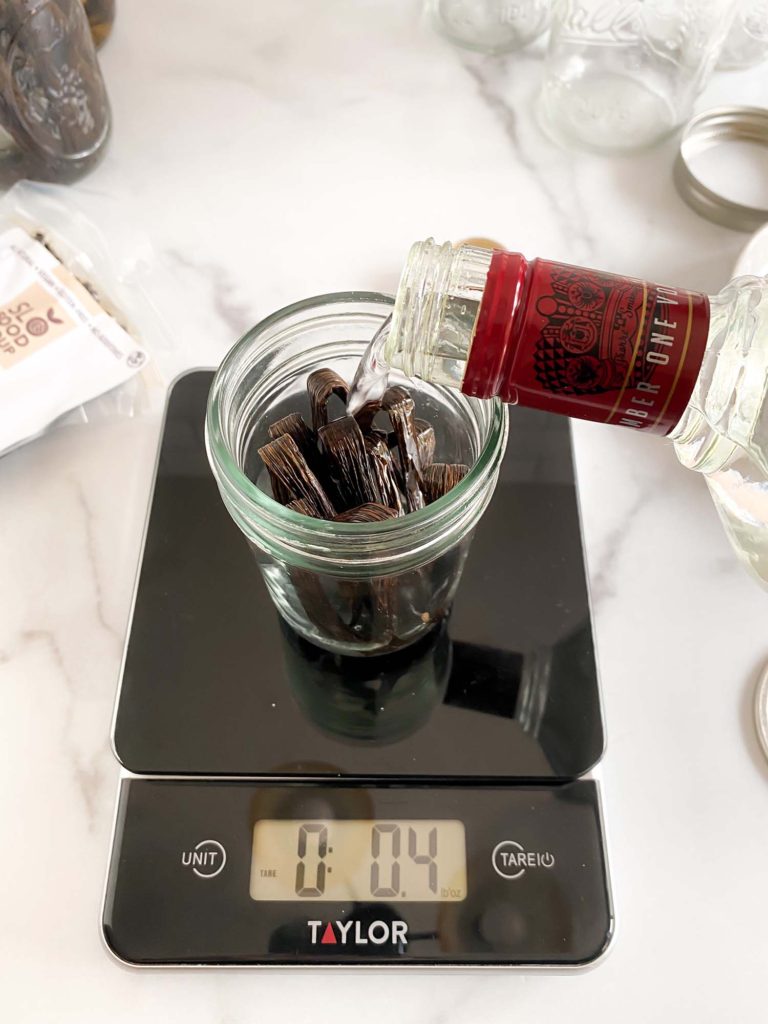
#3. Weigh your vanilla beans in a clean glass jar before pouring the correct measured amount of vodka over the beans. Make sure to fully submerge the beans.

#4. Cover tightly and shake well.

#5. Label the jars with what types of beans you used, how much the beans weighed, how much vodka was used, and the date it was made.

#6. Store the jars in a cool, darker environment and vigorously shake every week.

If you cut your beans, your vanilla may be ready in as little as 3-4 months. If you left them whole, it will be ready in 6-12 months.

Don’t stress too hard about your jar amounts being perfect. In order to make sure all my beans were covered in the 12 ounce jar, I had to put more vodka in it. Originally I had eight ounces of vodka with one ounce of beans. Because I added two ounces of vodka, I just added a few more beans.

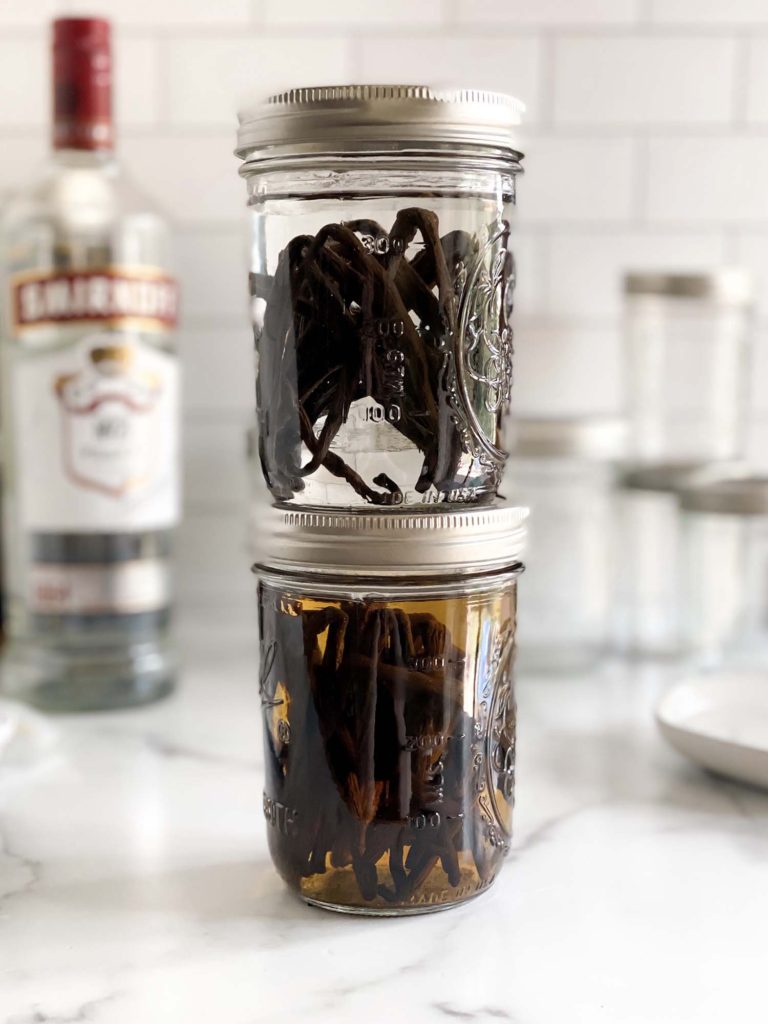
The above photo shows the difference that a week can make. Obviously, the bottom one is not even close to being done, but there is definitely color to the alcohol.

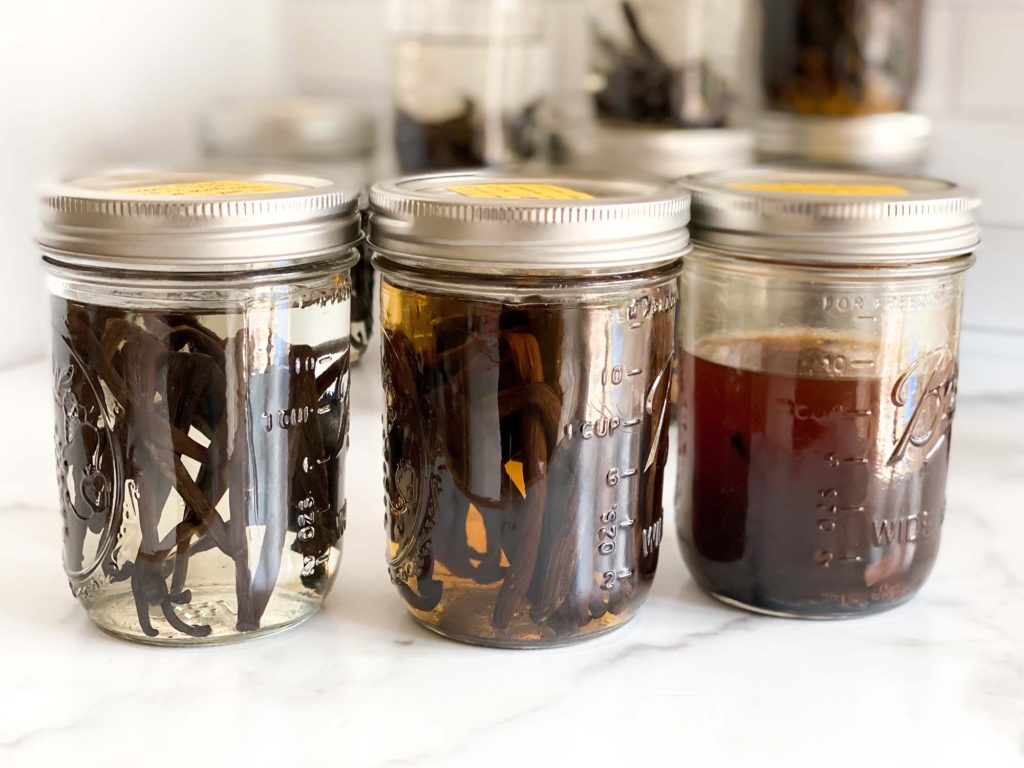
The first jar of extract was made only a few minutes before taking the photo. The jar in the middle is over a week old. Both the first and second jar is made of whole, folded in half vanilla beans. The third jar is the same age as the middle jar, but the beans have been cut, sliced in half, and the caviar scraped into the jar. This jar is going to be ready much more quickly since the vanillin doesn’t need to travel slowly from the center of the bean and through the pod.

I can’t let you go without a warning, however. Making your own vanilla extract is EXTREMELY addicting. I plan to stock up on several 4 oz packs of beans during the sale at Slo Food Group because saving $10 per pack is not something to miss, and I want to make a few jars of extract every few months to make sure that I always have vanilla on hand. 

Make sure you hop on the homemade vanilla extract train while the sale is still on at Slo Food Group. Use code MY40 for $10 off a 4 ounce package of vanilla beans (Ecuadorian, Ugandan, PNG, and Madagascar).

Comment below which extract I should make next! I’m thinking chocolate, coffee, cinnamon, almond, lemon…

If you try making your own vanilla extract, make sure to tag me on Instagram @linenandgray so I can give it a like. Thanks for reading! 🙂

Emily

  • « Go to Previous Page
  • Page 1
  • Page 2

Primary Sidebar

Footer

↑ back to top

About

  • Privacy Policy
  • Disclaimer
  • Terms & Conditions
  • Accessibility Policy

Newsletter

  • Sign Up! for emails and updates

Contact

  • Contact
  • Services
  • Media Kit
  • FAQ

As an Amazon Associate I earn from qualifying purchases.

Copyright © 2024 Foodie Pro on the Feast Plugin